2026-11-24 ·
Emergency Water Damage Restoration: What to Do First in Atlanta
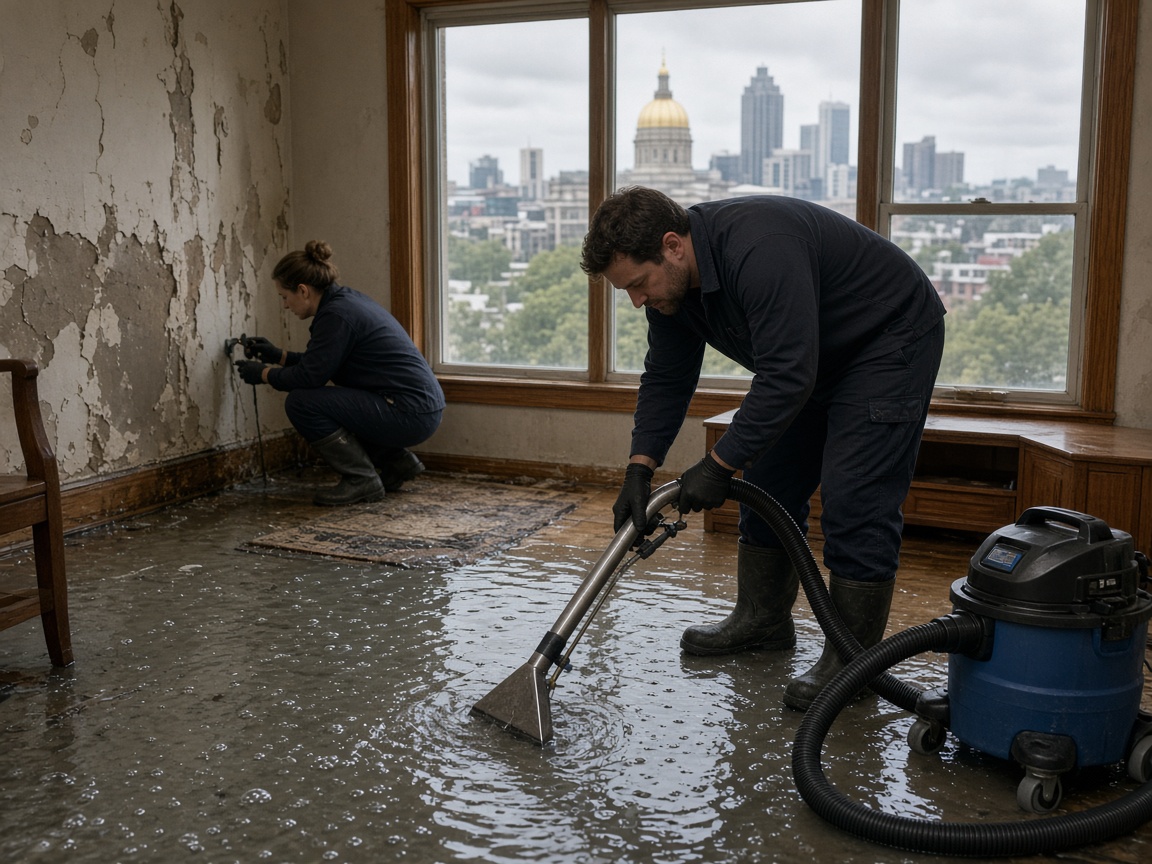
When emergency water damage strikes your Atlanta home, the most critical first step is to stop the water source if it's safe to do so, and then immediately contact a professional water damage restoration service. Acting within the first 24 to 48 hours is paramount to prevent secondary damage like mold growth and structural weakening. Homes throughout Georgia, from the historic Victorians in Inman Park to the newer constructions in Johns Creek, are susceptible to various water issues, whether from sudden pipe bursts common in older plumbing or the heavy seasonal rains that can overwhelm basements. Quick action can drastically reduce the scope and cost of repairs, potentially saving thousands of dollars and preserving your home's integrity. Our team is available 24/7 to respond to these urgent situations across the Atlanta area, ensuring you get the help you need precisely when you need it.
Prioritize Safety: Your First Concern
Before you even think about cleanup, your absolute top priority must be safety. Water, especially in large quantities, can create numerous hazards. First, always disconnect the power to affected areas at the main breaker. This is crucial because water conducts electricity, turning a simple puddle into a potentially lethal shock hazard. Many homes in Atlanta, particularly those built in the mid-20th century in neighborhoods like Decatur or Druid Hills, may have older electrical systems that are more vulnerable. Next, be wary of structural integrity. Water can quickly weaken ceilings, walls, and floors, making them prone to collapse. If ceilings are sagging, or if there's a strong musty odor indicating potential mold in hidden areas, avoid entering the space. Also, be cautious of slippery surfaces and any debris that might be hidden under the water. If the water is dark or foul-smelling, it could be contaminated sewage, posing serious health risks. In such cases, it's best to wait for professionals with appropriate protective gear to handle the initial assessment and containment. For more on understanding water categories, refer to our article on Understanding Water Categories: Clean, Gray, and Black Water in Atlanta Homes.
Stop the Water Source Immediately
Once safety is ensured, your next immediate task is to stop the flow of water. This might sound obvious, but in the panic of a flood, it can be overlooked. For a burst pipe, locate your main water shut-off valve, typically found near your water meter at the street or where the main water line enters your house, often in the basement or utility room. In older Atlanta homes, particularly those in areas like Virginia-Highland, these valves might be stiff or corroded, so it's wise to know their location and test them periodically. If the issue is an overflowing toilet or appliance, turn off the individual shut-off valve behind it. For roof leaks, while you can't stop the rain, you can place buckets to collect water and minimize spread. If the water source is a natural event like heavy rainfall or a flash flood, which Atlanta experiences, especially during spring and summer thunderstorms, focus on containing the water and protecting valuables, as stopping the source isn't an option. For significant flooding, particularly in basements, professional emergency water removal services are essential.
Document the Damage Extensively
After securing the area and stopping the water, document everything. This step is critical for insurance claims and helps our team understand the full scope of the damage. Use your smartphone to take clear photos and videos of all affected areas, including the source of the water, the extent of the saturation, and any damaged belongings. Don't just focus on the obvious; capture images of baseboards, drywall, flooring, and even hidden areas like inside cabinets if they've been exposed. Note the time and date, and if possible, estimate the duration the water was present. This detailed record will be invaluable when you file a claim with your homeowner's insurance. Remember, insurance companies often require comprehensive documentation to process claims efficiently. Having a clear, chronological record can streamline the entire restoration process, from initial assessment to final repairs.
Remove Standing Water and Damp Items Quickly
Speed is of the essence when it comes to water removal. The longer water sits, the more damage it causes, and the higher the risk of mold growth. For small puddles, you can use towels, mops, or a wet/dry vacuum. However, for significant standing water, especially in areas like a flooded basement, professional extraction is necessary. Many homes around the Georgia area, from Marietta to Sandy Springs, have basements that can be particularly vulnerable to water intrusion due to the region's clay soil and heavy rainfall. Move any wet furniture, rugs, and personal belongings to a dry area to prevent further damage and to allow for proper drying. If items are too heavy, at least try to elevate them off the wet floor using blocks or aluminum foil to prevent staining and moisture absorption. This immediate action helps to mitigate the spread of moisture into unaffected areas and reduces the potential for long-term issues, including structural damage and extensive mold remediation needs.
Begin the Drying Process
Once standing water is removed, the next crucial step is to initiate drying. This is not just about making surfaces look dry; it's about reducing the overall humidity and moisture content in the air and materials to prevent mold. Open windows and doors to increase ventilation, especially if the weather in Atlanta is dry and mild. Use fans, dehumidifiers, and even your home's HVAC system (if safe to operate) to circulate air and pull moisture out of affected areas. Direct fans towards wet walls, floors, and furniture. For homes with crawl spaces, a common feature in many older Georgia properties, ensuring proper ventilation there is also vital, as moisture can easily wick up into floor joists and subflooring. While these steps can help with initial drying, they are usually insufficient for thoroughly drying out structural components. Professional water damage experts use specialized equipment like industrial-grade dehumidifiers and air movers to achieve optimal drying, reaching moisture trapped within walls and under flooring. For comprehensive drying and mitigation, consider our water mitigation services.