
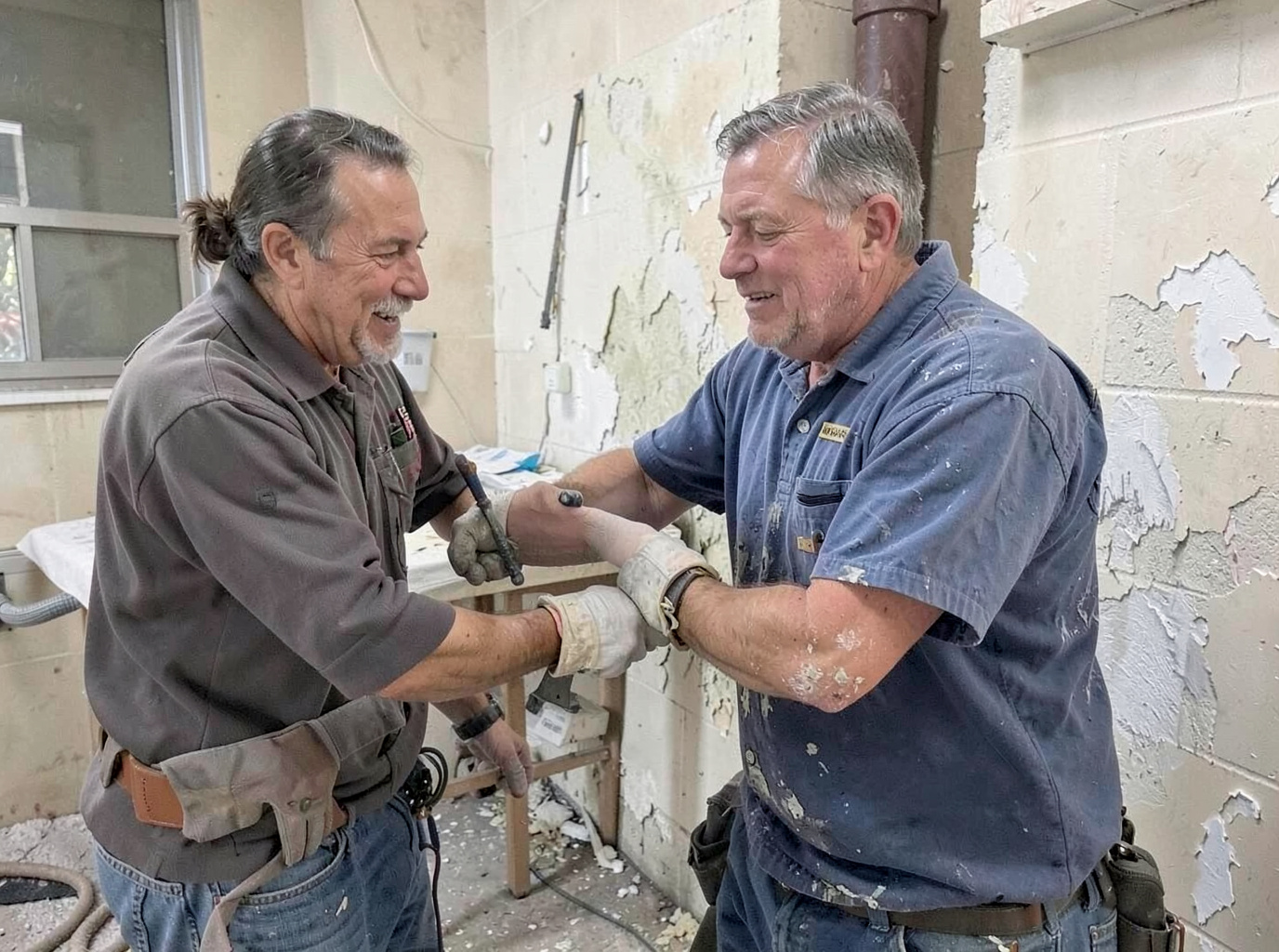
Mold growth is a pervasive problem in Georgia, often stemming from the area's humid climate and the occasional heavy rainfall that can lead to water intrusion. Whether it's a slow leak behind a wall in an older home in Decatur or extensive flooding in a basement near Stone Mountain, moisture creates an ideal breeding ground for mold. Our team understands the unique challenges presented by Georgia's environment, from the types of building materials common in historic Atlanta homes to the rapid onset of mold in damp crawl spaces prevalent across the region. We don't just treat the visible mold; we identify and address the underlying moisture source to prevent recurrence, ensuring a lasting solution for your property.
Effective mold remediation goes beyond surface cleaning; it requires a deep understanding of fungal biology and building science. In Georgia, where many homes have basements or crawl spaces, these areas are particularly susceptible to mold due to their cooler temperatures and potential for condensation or ground moisture intrusion. We utilize specialized equipment to detect hidden mold within wall cavities, under flooring, and in HVAC systems, common areas where mold can thrive undetected. Our approach considers the specific architecture and materials found throughout the Georgia area, from the brick homes of Buckhead to the newer constructions in Gwinnett County, ensuring that our methods are both effective and protective of your property's integrity.
The health implications of mold exposure are a significant concern for residents across Georgia. Mold spores can trigger allergies, respiratory issues, and other health problems, making professional remediation essential, especially for sensitive individuals. Our process involves containment strategies to prevent cross-contamination to unaffected areas of your home or business, a critical step often overlooked by less experienced providers. We carefully remove contaminated materials, clean and disinfect affected surfaces, and apply preventative treatments designed to inhibit future mold growth, all while adhering to industry best practices to restore your indoor air quality and peace of mind. Our team is available 24/7, every day of the week, to respond to urgent mold situations, understanding that timely intervention is key in mitigating damage.
Technician insight
In Georgia, the thing that catches most people out with mold damage is often the humidity. Even without a major leak, the consistent high humidity, especially in basements and crawl spaces common in older homes around the Atlanta area, can lead to significant mold growth over time. Homeowners often don't realize how quickly it can spread from just condensation or poor ventilation until the musty smell becomes undeniable.
Hidden Mold in a Sandy Springs Basement
A homeowner in Sandy Springs noticed a persistent musty odor in their finished basement, despite no visible water intrusion. We found that a slow, long-term leak from an aging pipe behind a wall had led to extensive mold growth within the wall cavity and under the carpet padding. We contained the area, removed the mold-infested drywall and flooring, addressed the pipe leak, and thoroughly dried and treated the space, eliminating the odor and restoring a healthy environment.
Mold Damage Services We Offer
✓Attic Mold Remediation
Address mold growth in attics often caused by roof leaks, poor ventilation, or condensation, a common issue in Georgia's varied climate, restoring air quality and structural integrity.
✓Crawl Space Mold Removal
Target and eliminate mold in damp crawl spaces, a frequent problem in homes across Georgia due to humidity and ground moisture, preventing further spread and protecting your home's foundation.
✓Basement Mold Eradication
Thoroughly remove mold from basements affected by flooding, leaks, or high humidity, a common challenge in many Georgia homes, ensuring a safe and healthy environment.
✓HVAC System Mold Cleaning
Clean and disinfect mold from heating, ventilation, and air conditioning systems, which can circulate spores throughout your property, a critical step for indoor air quality in humid Georgia.
✓Post-Flood Mold Prevention
Implement preventative measures after water damage incidents, especially crucial after heavy Georgia rains, to inhibit mold growth and protect your property from future issues.
✓Hidden Mold Detection & Removal
Utilize advanced tools to locate and remove mold hidden behind walls, under floors, or in ceilings, often undetected until health symptoms appear or a musty odor is present.
How it works
- 1
Assessment & Inspection
Our first step involves a detailed inspection to identify the extent of the mold growth and, crucially, its moisture source. We use specialized equipment to detect hidden moisture and mold in areas like wall cavities or under flooring, which is vital in Georgia's often humid conditions.
- 2
Containment
To prevent mold spores from spreading to unaffected areas of your property, we establish containment zones using physical barriers and negative air pressure. This is particularly important in older homes around Georgia where spores can easily travel through existing ductwork or open spaces.
- 3
Mold Removal & Cleanup
Our team meticulously removes mold-infested materials and cleans all affected surfaces using industry-approved techniques and antimicrobial treatments. We focus on thoroughness, knowing that any missed spores can lead to recurrence.
- 4
Drying & Dehumidification
After mold removal, we deploy powerful drying and dehumidification equipment to eliminate all residual moisture from the affected areas. This step is critical in Georgia's climate to prevent future mold growth and ensure the structural integrity of your property.
- 5
Restoration & Prevention
Finally, we restore any damaged materials and apply preventative measures to inhibit future mold growth. We also advise on long-term moisture control strategies tailored to your property and the local Georgia environment.
Pricing
Mold remediation costs in Georgia vary significantly based on the affected area's size, accessibility, and the extent of contamination. Upfront quotes are provided after a detailed inspection.