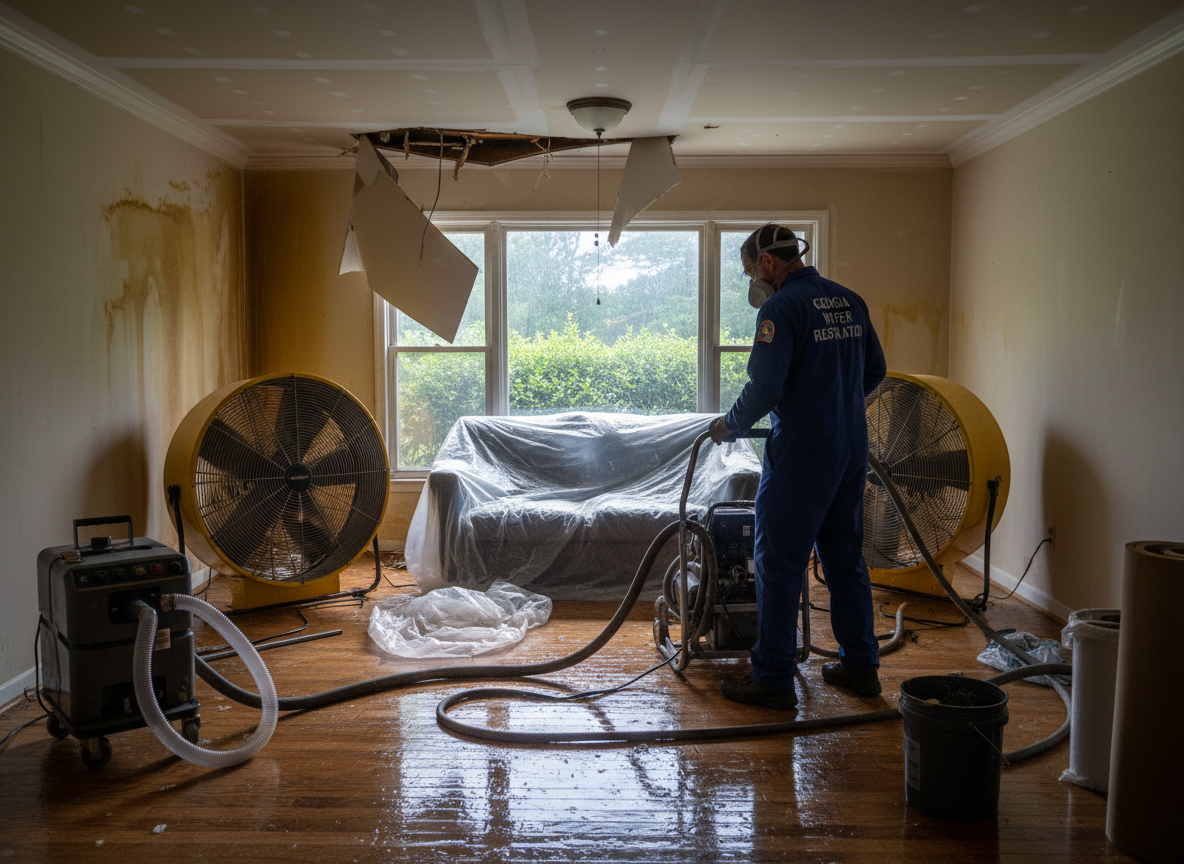
Residential water damage in Atlanta, Georgia, often presents unique challenges due to our climate and housing stock. The humid subtropical weather, especially during the summer months, means that even small leaks can quickly escalate into significant mold issues if not addressed promptly. Many homes in areas like Buckhead or Virginia-Highland, often built in the mid-20th century, feature older plumbing systems and crawl spaces that are particularly susceptible to moisture intrusion. When a pipe bursts in an older home, the water can penetrate plaster, lath, and original hardwood floors, requiring specialized drying techniques to prevent warping and structural damage. Our team understands these nuances, employing advanced moisture detection and drying equipment to protect your home's unique character while ensuring thorough remediation.
Beyond the immediate water extraction, understanding the building materials prevalent in Georgia homes is crucial for effective restoration. For instance, homes in newer developments around Alpharetta or Johns Creek might have different construction materials, like engineered wood products and drywall, which react differently to water exposure than the older lath and plaster found in historic Atlanta neighborhoods. Heavy rainfall, common during our spring and summer storm seasons, can lead to basement flooding or roof leaks that necessitate rapid response. We prioritize swift action to mitigate secondary damage, such as mold growth, which can become a serious health concern if left unchecked in our warm, damp environment. Our technicians are trained to assess these varied scenarios, from storm-related flooding to appliance overflows, ensuring a tailored approach for every residential property.
The aftermath of water damage isn't just about drying; it's about restoring peace of mind and preventing future issues. In Georgia, with our clay-rich soil, foundation issues can sometimes exacerbate water intrusion, especially after heavy rains. We don't just extract water; we meticulously inspect for hidden moisture pockets in walls, under flooring, and within structural elements. This thoroughness is vital, particularly in homes with finished basements or complex layouts, where water can travel extensively before becoming visible. Our comprehensive approach ensures that all affected areas are identified, dried, and treated, preventing long-term problems like wood rot or persistent musty odors that can devalue your property and impact indoor air quality. We aim to return your home to its pre-damage condition, ensuring a safe and healthy living environment for your family.
Technician insight
In Georgia, the thing that catches most people out with residential water damage is how quickly mold can set in, especially in older homes with crawl spaces or basements. Our humid climate means that even a small, unseen leak can become a major mold remediation project in just a few days if not dried out thoroughly and immediately. Homeowners often underestimate the hidden moisture in wall cavities or under flooring.
Hidden Leak in a Virginia-Highland Home
A homeowner in Virginia-Highland noticed a musty smell but no visible water. What we found was a slow, persistent leak from an old copper pipe behind a bathroom wall, saturating the lath and plaster, and wicking into the original hardwood floors. We carefully opened the wall, extracted the trapped moisture, used specialized drying mats for the hardwoods, and applied antimicrobial treatments to prevent mold, saving the historic flooring and preventing extensive structural damage.
Residential Water Damage Restoration Services We Offer
✓Emergency Water Extraction
Rapid removal of standing water from your home to prevent further damage and begin the drying process immediately after a flood or leak.
✓Structural Drying & Dehumidification
Utilizing industrial-grade air movers and dehumidifiers to thoroughly dry out walls, floors, and structural elements, preventing mold growth and material deterioration.
✓Burst Pipe Repair & Cleanup
Addressing water damage caused by burst pipes, from initial water removal to drying and sanitizing affected areas in your Atlanta home.
✓Basement & Crawl Space Water Removal
Specialized services for water removal and drying in basements and crawl spaces, common problem areas in many Georgia residences, to prevent mold and structural issues.
✓Appliance Leak Cleanup
Thorough cleanup and drying after leaks from dishwashers, washing machines, refrigerators, and water heaters to minimize damage to flooring and cabinetry.
✓Mold Prevention & Remediation
Comprehensive strategies to prevent mold growth after water damage, including antimicrobial treatments and, if necessary, full mold remediation services.
How it works
- 1
24/7 Emergency Response
When you call Atlanta Water Damage Restoration LLC, our team is dispatched immediately, arriving at your Georgia home ready to assess the situation and begin mitigation. We understand that water damage doesn't wait, especially with our humid climate.
- 2
Water Extraction & Damage Assessment
Upon arrival, we use powerful pumps and vacuums to remove standing water. Simultaneously, we conduct a thorough assessment, identifying the source of the water, categorizing the damage, and documenting all affected areas, including hidden moisture.
- 3
Drying & Dehumidification
After water extraction, we deploy industrial-grade air movers and dehumidifiers to meticulously dry out your home's structure and contents. This critical step prevents secondary damage like mold growth and warping of materials.
- 4
Cleaning & Sanitization
All affected surfaces are cleaned, sanitized, and deodorized to eliminate potential contaminants and odors. This ensures a healthy and safe environment for your family once the restoration is complete.
- 5
Monitoring & Final Inspection
We continuously monitor the drying process, making adjustments as needed. Once optimal moisture levels are achieved, we conduct a final inspection with you to ensure your complete satisfaction and that your home is fully restored.
Pricing
Pricing for residential water damage restoration varies significantly based on the extent of the damage, the category of water, and the materials affected. We provide transparent, upfront quotes after a thorough assessment.