2026-11-24 ·
Appliance Leaks: What to Do When Your Washer or Dishwasher Floods Your Atlanta Home
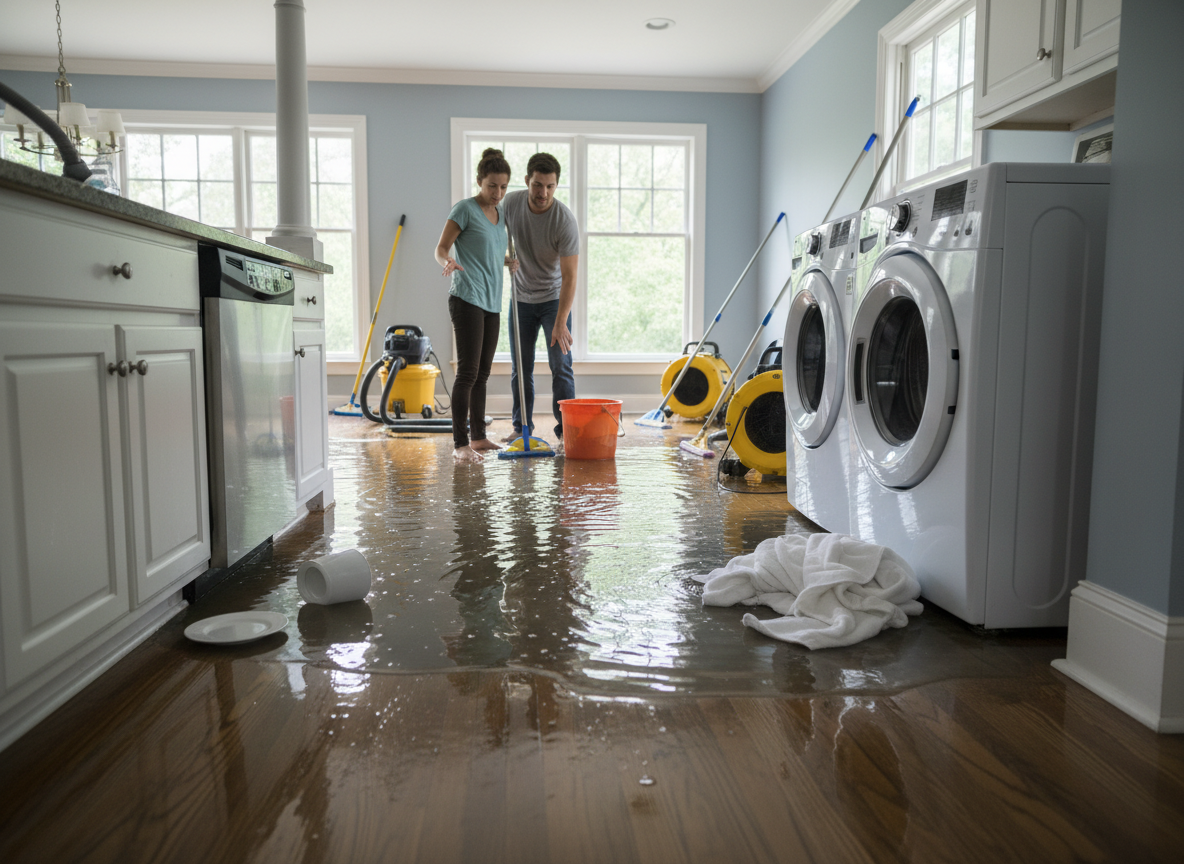
When your washer or dishwasher floods your Atlanta home, immediate action is crucial to minimize damage and prevent long-term issues like mold growth. The first step is always to turn off the water supply to the leaking appliance and, if safe, the main water supply to your home. Next, disconnect the appliance from its power source to prevent electrical hazards. Once the immediate hazard is contained, focus on water extraction and drying. For smaller spills, a wet/dry vacuum and fans might suffice, but for significant flooding, especially in older homes common in areas like Decatur or Smyrna with original hardwood floors or plaster walls, professional intervention is often necessary to ensure thorough drying and prevent hidden moisture pockets. Acting quickly within the first 24–48 hours is vital to prevent secondary damage and potential mold remediation needs, which can become a much more extensive and costly problem, particularly with Atlanta's humid climate.
Immediate Steps to Take After an Appliance Leak
The moment you discover a leak from your washing machine or dishwasher, every second counts. Your initial response can significantly impact the extent of the damage. First, locate the shut-off valve for the specific appliance. For a washing machine, it's usually behind the unit. For a dishwasher, it's often under the sink nearby. If you can't find it or the leak is substantial, head to your home's main water shut-off valve, typically found in the basement, crawl space, or near the water meter outside. Simultaneously, unplug the appliance from its electrical outlet. This eliminates the risk of electrical shock, which is a serious concern when water and electricity mix. Many homes in neighborhoods like Roswell or Sandy Springs, especially those built in the mid-20th century, might have older plumbing that is more prone to sudden failures, making these quick actions even more critical. Once the water and power are off, you can begin assessing the situation more safely.
Assessing the Scope of the Water Damage
After securing the area, it's time to evaluate how much water has escaped and what materials have been affected. A small puddle around a dishwasher might be manageable with towels, but a burst washing machine hose can release dozens of gallons of water in minutes, quickly saturating flooring, subflooring, and even walls. Pay close attention to the type of flooring; carpet, hardwood, and laminate react differently to water. Hardwood floors, common in historic homes around Midtown or Inman Park, can warp and buckle if not dried properly, while laminate can swell irreversibly. Check baseboards and drywall for signs of moisture absorption. If water has seeped into lower cabinets or has gone undetected for some time, the damage can extend to the structural elements, requiring more than just surface drying. Documenting the damage with photos or videos is also helpful for potential insurance claims. For significant water intrusion, consider contacting a professional for water damage cleanup to ensure all moisture is addressed.
Water Extraction and Initial Drying Efforts
Once you've assessed the damage, the next crucial phase is removing as much standing water as possible. For minor leaks, a shop vacuum or even sturdy towels can be effective. However, for larger floods, especially those covering more than a few square feet or soaking into carpets, a wet/dry vacuum is essential. After removing standing water, focus on drying the affected area. Open windows and doors if the outside humidity is lower than inside, which isn't always the case during Atlanta's hot, humid summers. Use fans to circulate air and dehumidifiers to pull moisture from the air. This is particularly important in Georgia, where the high humidity creates an ideal environment for mold growth if moisture is left unchecked. Positioning fans to blow across wet surfaces helps accelerate evaporation. Remember, visible drying isn't always complete drying; moisture can linger in subfloors, wall cavities, and behind baseboards, making professional drying equipment often necessary to prevent long-term issues.
Preventing Mold Growth in Atlanta's Climate
Atlanta's warm, humid climate makes homes particularly susceptible to mold growth after a water incident. Mold can begin to form within 24–48 hours of water exposure, making rapid and thorough drying paramount. Even after you've extracted visible water, hidden moisture in structural materials or behind walls can become a breeding ground for mold. This is especially true in older Atlanta homes, such as those in the Virginia-Highland or Candler Park neighborhoods, which may have less robust vapor barriers or older insulation that readily absorbs moisture. Beyond just drying, it’s important to ensure proper ventilation. If you suspect water has penetrated wall cavities or under flooring, it's wise to consult with experts in water remediation. They possess specialized equipment like moisture meters and thermal imaging cameras to detect hidden moisture, ensuring your home is truly dry and safe from mold contamination. For more in-depth information on preventing mold, you can also read our article on The Role of Dehumidifiers in Atlanta Water Damage Recovery.
When to Call a Professional Water Damage Restoration Service
While some small leaks can be handled with DIY efforts, there are clear indicators that professional help is needed. If the flood involves more than a few gallons of water, affects multiple rooms, or has soaked into walls, ceilings, or extensive flooring, it's time to call in the experts. Professionals have industrial-grade water extractors, powerful air movers, and commercial dehumidifiers that can dry your home far more effectively and quickly than consumer-grade equipment. They also have the expertise to identify potential hidden moisture and address it before mold or structural damage becomes a more significant problem. In the Georgia area, especially around places like Kennesaw or Marietta, where homes vary from historic structures to newer builds, understanding the unique construction challenges is key. A professional water damage restoration company, like Atlanta Water Damage Restoration LLC, operates 24/7, ready to respond to your emergency water damage needs any time, day or night, ensuring a swift and effective response to mitigate further damage.