
2026-11-24 ·
Basement Flood Cleanup in East Point, GA: Get Standing Water Removed Quickly
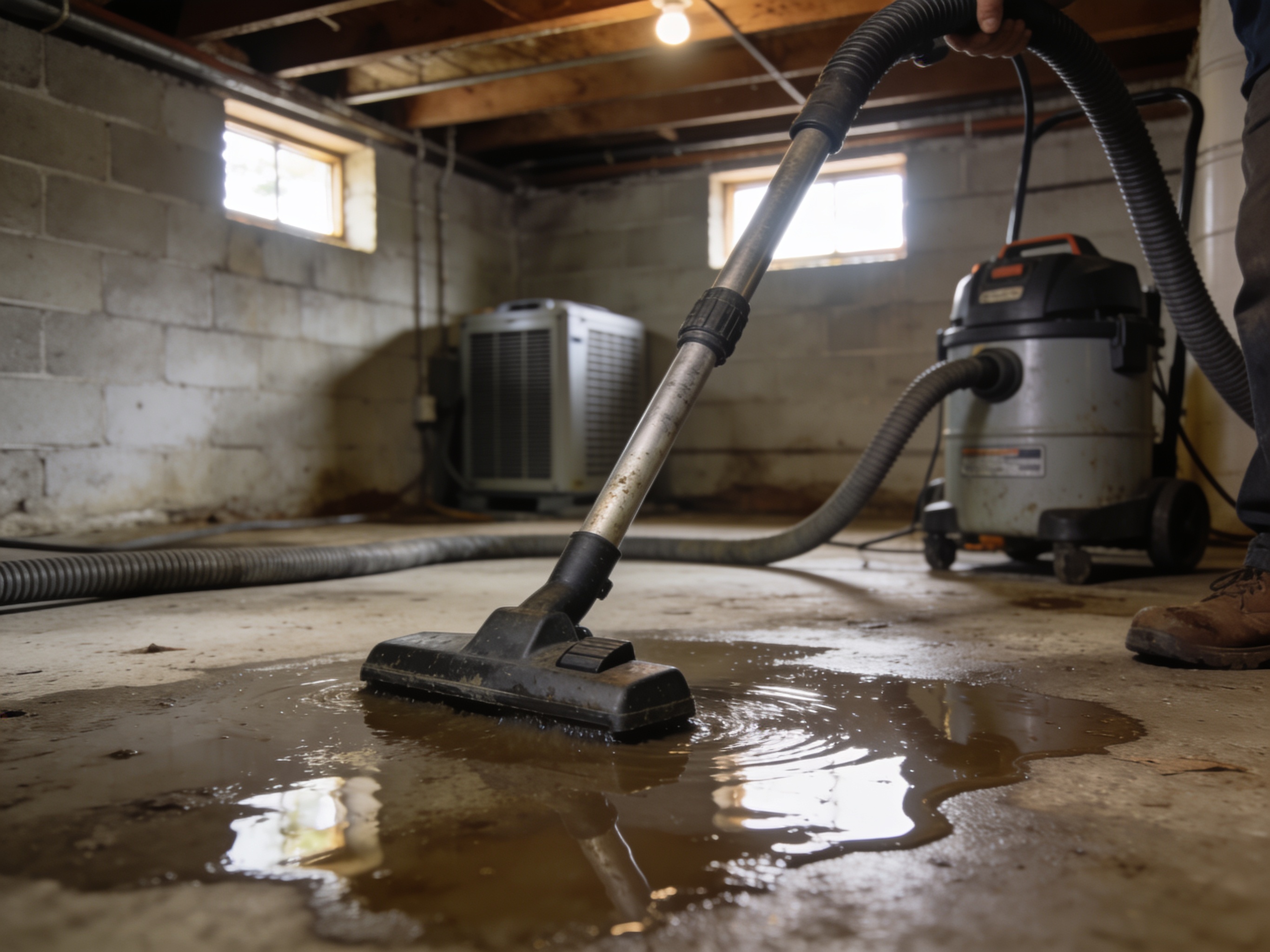
When your basement floods in East Point, GA, getting standing water removed quickly is paramount to minimizing damage and preventing long-term issues like mold growth. Typically, professional water extraction can begin within 1-2 hours of your call, with significant water removal from an average 1,000-square-foot basement often completed within 4-8 hours, depending on the water depth and type of flooring. The entire drying and dehumidification process, including structural drying and moisture testing, usually takes 3-5 days. Acting swiftly is crucial in the humid Georgia climate, where moisture can quickly lead to secondary damage, especially in older homes common in areas like East Point, where foundations might be more susceptible to hydrostatic pressure from heavy rains.
Immediate Steps When You Discover Basement Flooding
Discovering standing water in your East Point basement can be alarming, but knowing what to do immediately can significantly impact the outcome. First, prioritize safety: if the water level is high or near electrical outlets, turn off the main power to your home at the breaker box. This is especially critical in older East Point homes where wiring might not be up to current codes. Next, try to identify the source of the water. Is it a burst pipe, a leaking water heater, or seepage from heavy rainfall, a common occurrence during Georgia's intense summer storms? If it's a clean water source, like a supply line, you might be able to shut off the main water valve to your house. However, for sewage backups or large-scale flooding, it's best to avoid contact with the water due to potential contaminants. Our team is available 24/7 for <a href="/services/emergency-water-removal-near-me">emergency water removal</a> across Georgia and its surrounds, ready to respond to any type of basement flood.
Understanding Water Categories and Their Impact
Not all basement floods are created equal, and the type of water significantly influences the cleanup process and potential health risks. In East Point, we often encounter three categories. Category 1 is 'clean water,' originating from a sanitary source like a burst water pipe or overflowing sink. While initially not hazardous, it can become contaminated if left untreated. Category 2, or 'gray water,' contains significant contamination and could cause illness if ingested. This includes discharge from dishwashers, washing machines, or toilet overflows containing urine. Finally, Category 3 is 'black water,' which is grossly contaminated and highly unsanitary. This typically comes from sewage backups, river floods, or standing water that has been stagnant for an extended period. Many homes around the historic Fort McPherson area of East Point, with their older plumbing systems, can be particularly vulnerable to sewage backups. Understanding these categories is vital for proper remediation, as each requires specific safety protocols and cleanup methods to ensure your home is safe and dry. For a deeper dive into these classifications, you can read our article on <a href="/blog/understanding-water-categories-clean-gray-and-black-water-in-atlanta-homes">Understanding Water Categories: Clean, Gray, and Black Water in Atlanta Homes</a>.
The Professional Water Extraction Process
Once our team arrives at your East Point property, the first critical step is the rapid removal of standing water. We utilize powerful, truck-mounted extraction units and submersible pumps capable of removing hundreds to thousands of gallons of water per hour. For basements in the Georgia area, especially those with concrete floors, this high-volume extraction is essential to prevent water from wicking up into walls and saturating porous materials. Our technicians meticulously extract water from all affected areas, including under carpets and pads, using specialized tools. This immediate action prevents water from migrating further into structural components, which is particularly important in the older, wood-framed homes prevalent throughout the area. We focus on thoroughness, ensuring that as much bulk water as possible is removed before the drying phase begins.
Structural Drying and Dehumidification in Georgia's Climate
After water extraction, the next crucial phase is comprehensive structural drying and dehumidification. This is especially vital in Georgia's humid climate, where ambient moisture can hinder natural drying and encourage mold growth. We deploy industrial-grade dehumidifiers and high-velocity air movers strategically throughout your East Point basement. The air movers circulate air to evaporate moisture from materials, while the dehumidifiers remove that moisture from the air, preventing it from reabsorbing into walls, flooring, and personal belongings. We continuously monitor temperature and humidity levels, as well as the moisture content of affected materials, using specialized meters. This scientific approach ensures that your basement is not just superficially dry but truly dry to industry standards, mitigating the risk of long-term issues. Proper drying is key to preventing the musty odors often associated with damp basements.
Preventing Mold Growth After a Flood
Mold is a significant concern after any basement flood, particularly in a warm, moist environment like Georgia. Mold spores are ubiquitous and only need moisture, a food source (like drywall or wood), and a suitable temperature to thrive. If standing water is not removed and materials are not dried within 24-48 hours, mold can begin to colonize. Our comprehensive <a href="/services/basement-flood-cleanup">basement flood cleanup</a> includes applying antimicrobial treatments to inhibit mold and mildew growth on affected surfaces. We also focus on removing any porous materials that have been severely contaminated and cannot be thoroughly dried, such as soaked drywall or insulation. Proper ventilation and maintaining low humidity levels during the drying process are critical preventative measures, ensuring your East Point home remains healthy and safe long after the water is gone.