2026-11-24 ·
Common Causes of Water Damage in Atlanta Homes
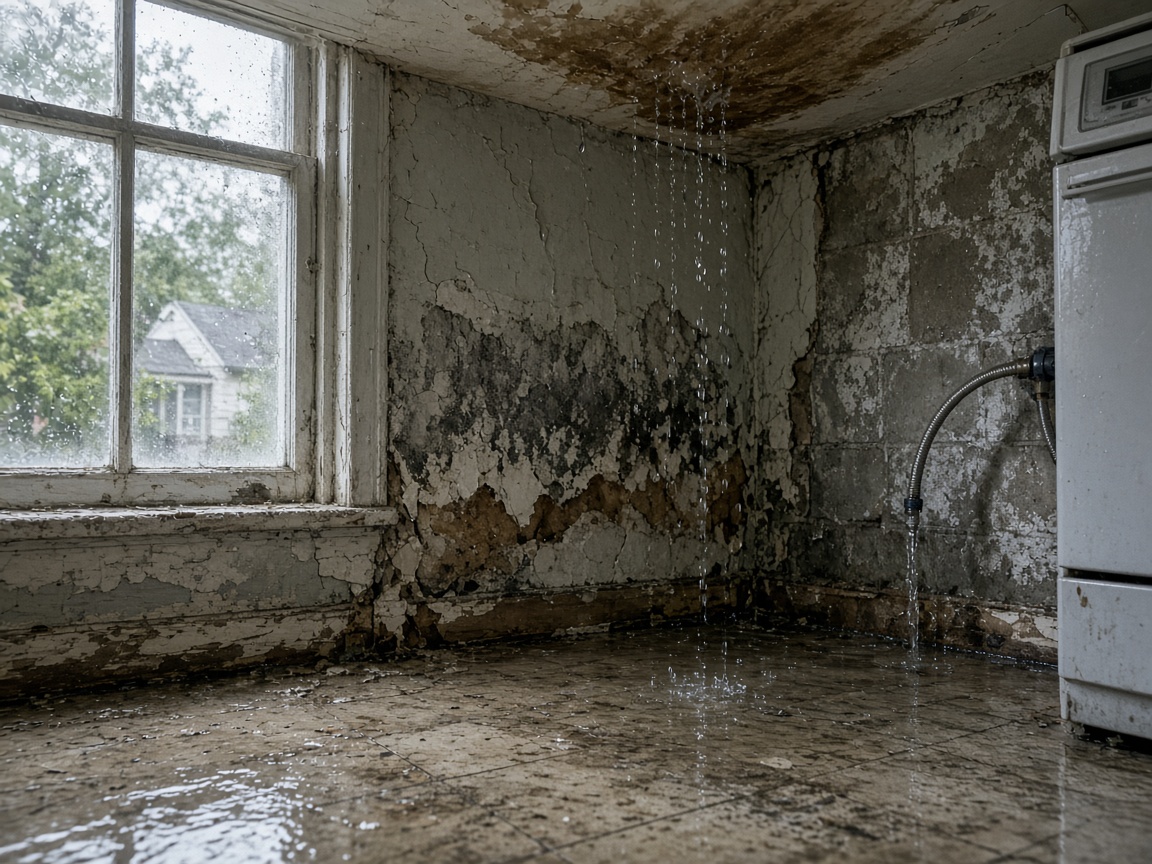
Water damage in Atlanta homes most commonly stems from plumbing failures, roof leaks, and appliance malfunctions, often exacerbated by the region's humid climate and occasional heavy rainfall. Homes in older, established neighborhoods like Virginia-Highland or Candler Park, with their charming but aging infrastructure, are particularly susceptible to issues like corroded pipes or failing water heaters. Even newer constructions in areas like Johns Creek or Peachtree Corners aren't immune, facing risks from construction defects or severe weather events. Effective prevention and prompt response are crucial for minimizing structural harm and preventing secondary issues like mold growth, which thrives in Georgia's warm, moist conditions. Addressing these problems quickly can save homeowners significant repair costs and preserve their property's value.
Plumbing Leaks and Pipe Bursts
Plumbing issues are a leading cause of water damage throughout Atlanta and the surrounding Georgia area. Many homes, especially those built before the 1980s in neighborhoods like Decatur or Smyrna, often feature older galvanized steel or copper piping that can corrode over time. This corrosion leads to pinhole leaks that might go unnoticed for months, slowly saturating drywall or subflooring before a significant problem becomes apparent. Furthermore, the occasional cold snaps we experience in the winter, particularly when temperatures dip below freezing for extended periods, can cause unprotected pipes in unheated basements or crawl spaces to freeze and burst, leading to catastrophic flooding. We've seen numerous instances of burst pipes in areas like Marietta and Roswell, where homes are often built on slabs or have exposed plumbing runs. Regular inspections and proper insulation of vulnerable pipes can mitigate these risks significantly.
Roof Leaks and Exterior Breaches
Atlanta's weather patterns, characterized by frequent thunderstorms and occasional heavy downpours, make roofs particularly vulnerable to leaks. High winds can lift or damage shingles, creating entry points for water, while prolonged rain can overwhelm gutters, leading to water pooling and seeping into eaves or fascia boards. Homes with older roofs, common in areas like Grant Park or Ansley Park, are at a higher risk, but even newer roofs can suffer damage from falling tree limbs during severe storms. Beyond the roof itself, exterior breaches such as cracked foundations, poorly sealed windows, or deteriorated flashing around chimneys can allow water to penetrate the home's envelope. Basements and crawl spaces, especially in areas with sloped terrain like Sandy Springs, are particularly susceptible to water intrusion if exterior drainage is inadequate, often requiring specialized basement flood cleanup services.
Appliance Malfunctions and Failures
Everyday household appliances, while convenient, are common culprits for unexpected water damage. Washing machines, dishwashers, refrigerators with ice makers, and water heaters all contain water lines and components that can fail. A washing machine hose, for example, can rupture suddenly, releasing dozens of gallons of water into a laundry room in minutes. Dishwashers can leak from faulty seals or clogged drains, slowly damaging kitchen floors and cabinets. Water heaters, with an average lifespan of 8–12 years, are notorious for failing, often leaking from the bottom due to sediment buildup or tank corrosion. We frequently respond to calls in neighborhoods across the Georgia area, from Duluth to Douglasville, where a malfunctioning water heater has caused significant flooding in a utility closet or garage. Regular maintenance and inspecting hoses for wear can help prevent these costly incidents.
HVAC Condensation and Drain Issues
Atlanta's humid climate means air conditioning units work hard for much of the year, and with that comes a significant amount of condensation. HVAC systems are designed to collect and drain this condensation, but blockages in the condensate drain line are a frequent cause of water damage. Algae, mold, or debris can accumulate in these lines, causing them to back up. When the drain line is clogged, the overflow pan can fill and spill, leading to water damage in ceilings, walls, or attics, depending on where the unit is located. This is a particularly common issue in homes where the HVAC unit is in an attic space, as water can then drip through multiple floors. Regular servicing of your HVAC system, including cleaning the condensate drain, is a simple preventative measure that can save you from extensive water damage repairs.
Sewage Backups and Clogs
While less common than other forms of water damage, sewage backups represent a particularly hazardous and unpleasant situation. These can occur due to blockages in your home's main sewer line, municipal sewer line issues, or even tree roots infiltrating older pipes. When a sewage line backs up, contaminated water can flood basements, bathrooms, or other ground-level areas, posing serious health risks due to bacteria and pathogens. Homes in older parts of Atlanta, where sewer lines might be decades old, are more prone to root intrusion from mature trees. Addressing a sewage backup requires immediate and specialized intervention, often involving professional sewage cleanup services to safely remove the waste and disinfect affected areas. It's crucial not to attempt to clean up sewage yourself due to the significant health hazards involved.