2026-11-24 ·
Emergency Plumbing Leaks: What to Do Before Your Atlanta Plumber Arrives
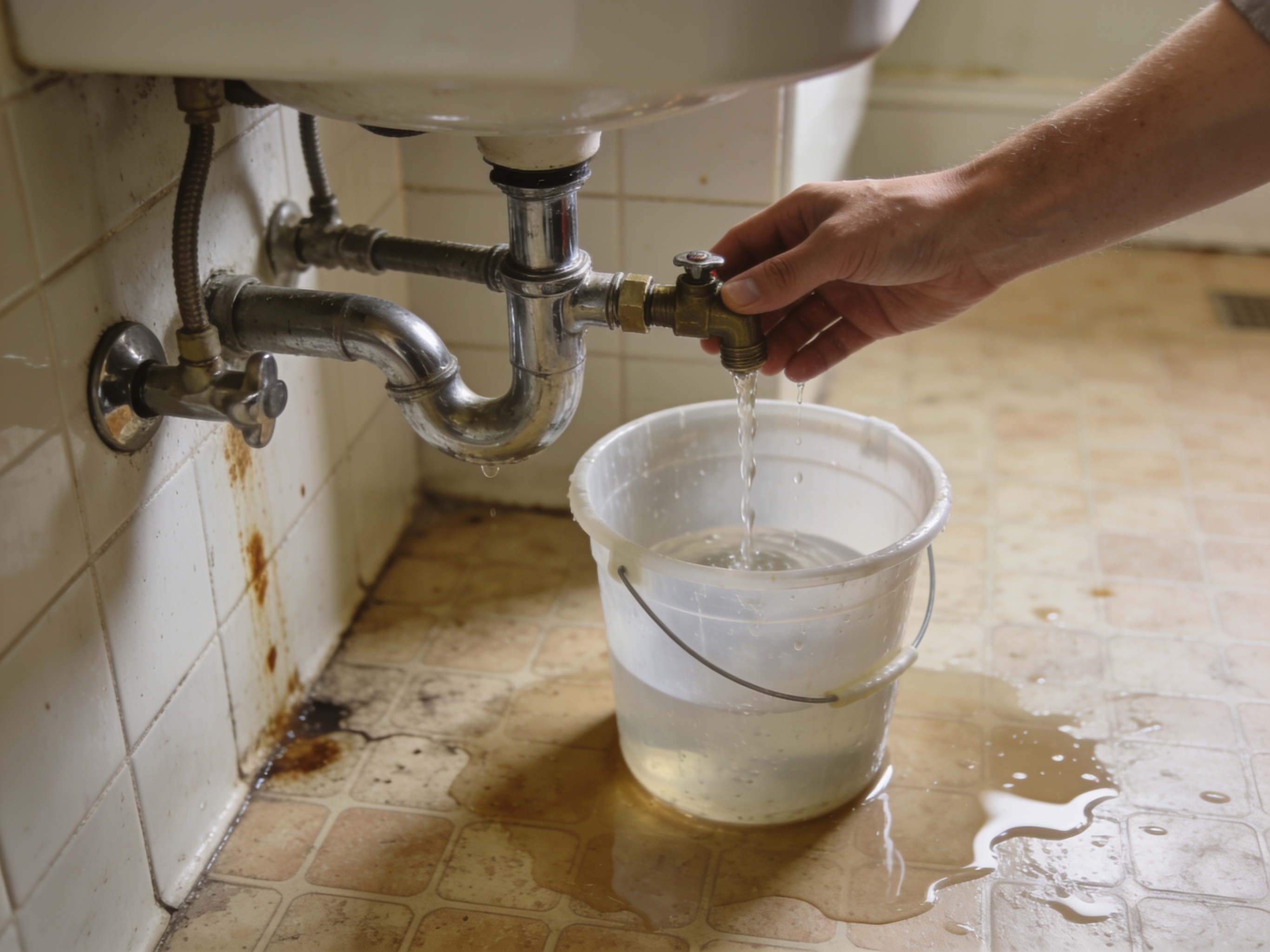
When an emergency plumbing leak occurs in your Atlanta home, taking swift and decisive action before your plumber arrives can significantly mitigate potential damage and reduce overall repair and restoration costs. The immediate steps you take—such as shutting off the water supply, containing the leak, and beginning preliminary drying efforts—can prevent a small issue from escalating into a major water damage restoration project. For instance, a burst pipe in a Kennesaw basement during a sudden winter freeze can quickly flood the area, damaging drywall and flooring. By knowing exactly what to do, you can limit the spread of water, protect your valuables, and create a safer environment for the professionals who will ultimately resolve the issue.
Shut Off the Water Supply Immediately
The absolute first step in any plumbing emergency is to stop the flow of water. Locate your home's main water shut-off valve and turn it off. This valve is typically found where the main water line enters your house, often in the basement, crawl space, near your water heater, or outside near your water meter. In older homes across neighborhoods like Decatur or Marietta, these valves might be less obvious or even stiff from disuse, so it's wise to locate and test yours periodically. Knowing its exact location and ensuring it's operational before an emergency strikes can save precious minutes and prevent thousands of dollars in potential damage. If you have a specific appliance leaking, like a washing machine or toilet, you might be able to turn off the water supply to just that fixture, but for widespread leaks, the main shut-off is always the safest bet. This immediate action is crucial for preventing further water intrusion into your home's structure and contents.
Identify and Contain the Leak Source
Once the main water supply is off, try to pinpoint the exact source of the leak if it's safe to do so. This information will be invaluable for your plumber upon arrival. Look for visible drips, puddles, or streams of water. Common sources include burst pipes, overflowing toilets, malfunctioning water heaters, or appliance failures. In Atlanta, with homes ranging from historic bungalows in Grant Park to newer constructions in Johns Creek, plumbing systems vary, but the principles of containment remain the same. Place buckets or towels under the leak to catch any residual water in areas like the kitchen or bathroom. For larger leaks, you might need to use old towels, mops, or even a wet/dry vacuum to start removing standing water. This containment prevents the water from spreading to unaffected areas, like adjacent rooms or lower levels, which is especially important in multi-story homes common in areas like Sandy Springs or Dunwoody.
Remove Standing Water and Begin Drying
After containing the immediate leak, focus on removing any standing water as quickly as possible. Time is of the essence when it comes to water damage; the longer water sits, the greater the potential for structural damage, mold growth, and costly repairs. Use a wet/dry vacuum, mops, and old towels to absorb as much water as you can. For significant flooding, particularly in basements or crawl spaces, consider renting additional equipment if available quickly, such as powerful shop vacs. Open windows and doors if weather permits to increase air circulation, and use fans or dehumidifiers to help dry out affected areas. This initial drying effort is a critical step in preventing secondary damage and can significantly reduce the scope of professional water damage cleanup needed. Remember, even seemingly dry surfaces can retain moisture, making comprehensive drying essential.
Document the Damage for Insurance Purposes
Before any significant cleanup or repair work begins, thoroughly document the damage with photos and videos. This visual evidence will be crucial when filing an insurance claim. Capture wide shots of the affected rooms, as well as close-ups of damaged items, flooring, walls, and ceilings. Note the time and date the leak occurred and when you discovered it. Keep a detailed list of all damaged belongings, including their estimated value. This documentation helps ensure you receive fair compensation for your losses. In the Atlanta area, where homes can experience sudden, heavy downpours or freezing temperatures that lead to pipe bursts, having clear evidence of the damage is vital. This step is often overlooked in the stress of an emergency, but it's a non-negotiable part of the recovery process.
Protect Valuables and Prevent Further Damage
Once you've addressed the immediate water flow and documented the scene, turn your attention to protecting any undamaged or salvageable items. Move furniture, electronics, artwork, and other valuables out of the affected area if they are not already wet. If items are too heavy to move, place aluminum foil or wood blocks under furniture legs to prevent them from sitting directly in water or absorbing moisture from wet carpets. For electronics, ensure they are unplugged and moved to a dry, safe location. In older homes around Midtown or Virginia-Highland, where antique furniture or hardwood floors are common, this preventative measure is particularly important. Even items that appear dry can absorb moisture from the air, so moving them to a truly dry environment is key. This proactive step can save cherished possessions and reduce the overall cost of replacement.