
2026-11-24 ·
Emergency Water Damage Repair in College Park, GA: Don't Let Water Damage Get Worse
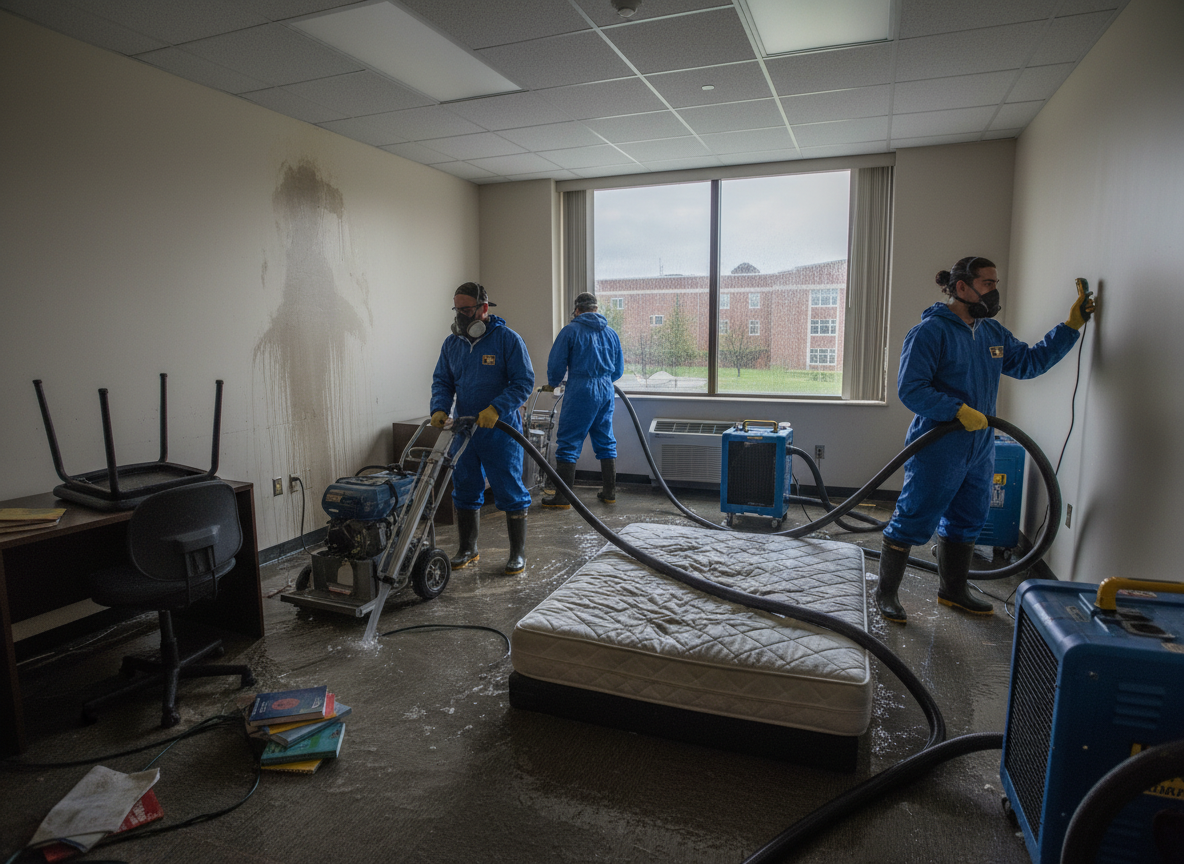
Emergency water damage repair in College Park, GA, can absolutely prevent the situation from worsening, saving homeowners significant time, money, and stress. Acting quickly, ideally within the first 24–48 hours, is paramount to minimize structural damage, inhibit mold growth, and salvage personal belongings. Homes in College Park, like many in the older parts of Fulton County, often feature original hardwood floors, plaster walls, and older plumbing systems that are particularly vulnerable to water intrusion. The humid Georgia climate, especially during the summer months and after heavy rainstorms common in our region, creates an ideal environment for mold to proliferate rapidly once moisture is introduced. Ignoring water damage, even what seems like a minor leak from an aging water heater or a slow drip under a sink, allows water to seep into subflooring, wall cavities, and insulation, creating a breeding ground for secondary damage that is far more complex and expensive to remediate.
The Immediate Dangers of Untreated Water Damage
Untreated water damage poses several immediate and escalating threats to your College Park home. Structurally, water can compromise the integrity of wood framing, drywall, and subflooring. Over time, this can lead to weakened supports, sagging ceilings, and unstable floors, potentially requiring extensive and costly repairs. For instance, a persistent leak from a roof damaged during a severe thunderstorm, a common occurrence in the Georgia area, can slowly rot attic trusses and ceiling joists. Furthermore, water can destroy insulation, reducing your home's energy efficiency and increasing utility bills. Electrical systems are also at high risk; water exposure can short-circuit wiring, damage outlets, and even create fire hazards. The older homes in College Park, with their sometimes outdated electrical systems, are especially susceptible to these dangers, making prompt action not just about property preservation, but also about safety. The longer water sits, the deeper these problems penetrate, turning a relatively simple cleanup into a major reconstruction project.
Understanding Water Categories and Their Impact
Not all water damage is created equal, and understanding the different categories is vital for effective remediation, especially in an emergency. Category 1 water originates from a clean source, such as a burst pipe supplying fresh water, a malfunctioning appliance like a washing machine, or an overflowing sink. While initially clean, if left untreated, it can quickly degrade to Category 2 or 3. Category 2 water, often called 'grey water,' contains contaminants that could cause illness if ingested. This might come from a toilet overflow (without solid waste), a dishwasher discharge, or a broken sump pump. Finally, Category 3 water, known as 'black water,' is highly unsanitary and contains harmful agents. This includes sewage backups, floodwaters from rivers or streams, or any water that has been stagnant for an extended period. Given the varying levels of contamination, the remediation process for each category differs significantly. In College Park, where older homes may have aging sewer lines, a sewage backup is a serious concern requiring immediate, specialized attention to protect occupants from pathogens. Proper assessment by a professional is crucial to determine the water category and implement the appropriate safety and cleanup protocols. For more details on this, you can visit our service page on sewage cleanup.
The Role of Professional Emergency Water Damage Repair
Engaging a professional for emergency water damage repair in College Park is critical for several reasons. Our team operates 24/7, understanding that water emergencies don't adhere to business hours, and we are always available for emergency water damage repair. We arrive with specialized equipment, including industrial-grade extractors, dehumidifiers, and air movers, which are far more effective than standard household tools. This equipment rapidly removes standing water and thoroughly dries affected areas, preventing secondary damage like warping of wood or delamination of flooring. Professionals also possess the expertise to accurately assess the extent of the damage, including hidden moisture pockets within walls or under floors, which are often missed by untrained eyes. For example, after a heavy downpour common in the Georgia area, water can seep into basements or crawl spaces, creating hidden dampness that can lead to long-term issues if not properly addressed. We also implement antimicrobial treatments to prevent mold and mildew growth, a persistent concern in our humid climate. Our systematic approach ensures every affected area is dried, sanitized, and restored, giving you peace of mind that your home is safe and sound.
Preventing Mold Growth: A Critical Component of Remediation
One of the most insidious consequences of water damage, particularly in the Georgia climate, is mold growth. Mold can begin to develop within 24–48 hours of water exposure, and once established, it can spread rapidly throughout a home, especially in the humid conditions prevalent in College Park. Mold not only causes unpleasant odors and unsightly stains but can also lead to significant health issues for occupants, including respiratory problems, allergies, and other sensitivities. Professional water damage repair includes thorough drying and dehumidification to eliminate the moisture sources that mold needs to thrive. We use specialized moisture meters and thermal imaging cameras to detect hidden moisture behind walls and under floors, ensuring no damp areas are overlooked. After drying, affected materials are cleaned, disinfected, and, if necessary, removed and replaced to prevent future mold recurrence. This proactive approach is essential for protecting both your property and the health of your family, particularly in homes with older construction materials that can absorb moisture more readily.
The Repair and Restoration Process
Once the immediate water extraction and drying phases are complete, the focus shifts to the repair and restoration of your College Park home. This stage can vary greatly depending on the extent and category of the initial water damage. For minor incidents, it might involve replacing a section of drywall, repainting, or reinstalling baseboards. However, for more significant events, such as a major flood from a burst pipe during a cold snap, common in the Georgia area during winter, the restoration could entail replacing entire sections of flooring, cabinets, or even rebuilding structural components. Our team works diligently to restore your home to its pre-damage condition, handling everything from minor cosmetic repairs to extensive reconstruction. We understand the unique architectural styles found in College Park homes, from charming bungalows to brick ranches, and strive to match materials and finishes to preserve your home’s character. This comprehensive approach ensures that not only is the visible damage addressed, but also any underlying issues are resolved, providing a lasting solution.