2026-11-24 ·
Flood Cleanup in Conyers, GA: Get Standing Water Removed From Your Home
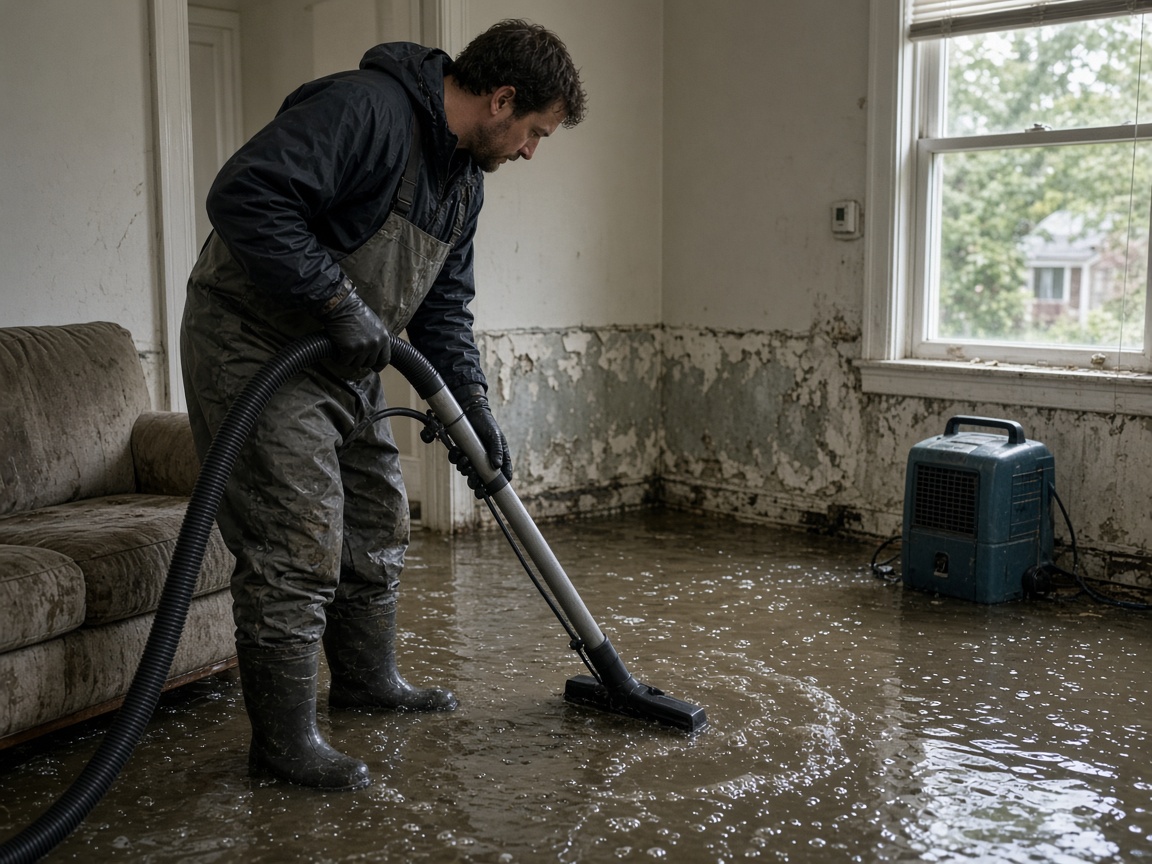
Getting standing water removed from your Conyers, GA home after a flood typically involves a multi-step process that should begin within 24-48 hours to mitigate long-term damage and prevent mold. The immediate steps include safely shutting off power, identifying the water source, and then initiating bulk water extraction. For an average flooded basement or ground floor room of about 500-1,000 square feet, professional water removal can take anywhere from 24 to 72 hours, depending on the water depth and the materials affected. This doesn't include the subsequent drying and dehumidification, which can extend the timeline by several more days to a week. In Georgia, with our humid climate, thorough drying is paramount to avoid secondary issues like structural damage and significant mold growth, especially in older homes prevalent in areas like Conyers and the broader Rockdale County, where foundations might not be as robust against persistent moisture.
Immediate Steps When You Discover Standing Water
Discovering standing water in your home, whether from a burst pipe, an overflowing appliance, or heavy rainfall common during our severe summer thunderstorms, requires immediate, cautious action. First, and most importantly, ensure the safety of everyone in the home. If the water level is high enough to reach electrical outlets or appliances, or if you suspect the water source is contaminated, do not enter the flooded area until the power has been safely shut off at the main breaker. This is especially crucial in older homes around Conyers, where wiring might not be up to modern standards. Once the area is safe, try to identify the source of the water. If it’s a plumbing issue, like a burst pipe or a leaking water heater, turn off the main water supply to your home. For external flooding, you'll need to focus on containment and extraction. Acting quickly can significantly reduce the overall damage and the complexity of the subsequent restoration work. For immediate assistance with water removal, professional help is often the safest and most effective route to take. You can learn more about our Emergency Water Removal Near Me services.
Understanding Different Categories of Water Damage
Not all standing water is created equal, and understanding the category of water is crucial for proper cleanup and safety. Category 1 water originates from a sanitary source, like a burst water supply line or an overflowing sink, and poses minimal health risks initially. However, if left untreated, it can quickly degrade to a higher category. Category 2 water, often called 'gray water,' contains contaminants like detergents or urine, such as from an overflowing washing machine or toilet (without solid waste). This water can cause illness if ingested. Category 3 water, or 'black water,' is grossly contaminated and can contain pathogenic agents, originating from sewage backups, floodwaters from rivers or oceans, or any water that has been stagnant for an extended period, allowing microbial growth. In Conyers, especially after heavy rains that might overwhelm storm drains, external floodwaters are almost always Category 3 due to potential contact with ground contaminants and sewage systems. Handling Category 3 water requires specialized equipment and protective gear to ensure health and safety during cleanup.
The Professional Water Extraction Process
Once the water source is controlled and safety precautions are in place, the next critical step is water extraction. Professionals use powerful pumps and vacuums to remove standing water quickly and efficiently. For homes in Rockdale County, where basement flooding can be common due to heavy downpours and fluctuating water tables, specialized submersible pumps are often employed to handle significant volumes of water. The goal is to remove as much moisture as possible in liquid form before it has a chance to soak deeper into structural materials, flooring, and personal belongings. This initial extraction phase is vital for minimizing drying times and preventing secondary damage. Depending on the volume of water, this process can take several hours to a full day. Following bulk water removal, technicians use moisture detectors to identify hidden pockets of water in walls, subfloors, and insulation, ensuring no moisture is overlooked that could lead to mold or structural issues later on. You can find more details on our Water Removal Services page.
Drying and Dehumidification: Preventing Mold Growth in Georgia's Climate
After water extraction, the area might appear dry, but significant moisture often remains embedded in materials. This is where professional drying and dehumidification come into play, a particularly critical step in Georgia's humid climate. High-powered air movers are strategically placed to create airflow across wet surfaces, accelerating evaporation. Concurrently, commercial-grade dehumidifiers pull moisture from the air, preventing it from reabsorbing into materials. This combination effectively lowers the humidity levels within the affected area, creating an environment unfavorable for mold growth. Given Conyers' typically warm and humid conditions, especially during the summer months, a thorough drying process is indispensable. Without proper drying, even a small amount of residual moisture can lead to mold infestations within 24-48 hours, particularly in concealed spaces like wall cavities or under flooring. Our team understands the local climate challenges and employs advanced techniques to ensure your home is dried completely and safely. For further reading on preventing water damage, check out our blog post on Maintaining Gutters and Downspouts to Prevent Water Damage in Atlanta.
Structural Drying and Content Restoration
Beyond surface drying, professional flood cleanup extends to structural drying. This involves carefully drying the building's core components, including framing, subfloors, and insulation, which can absorb significant amounts of water. Specialized equipment, such as injectidry systems, might be used to target hard-to-reach areas within walls and under cabinets. For homes in Conyers, many of which feature wood-frame construction, ensuring these structural elements are completely dry is crucial to prevent warping, rot, and long-term integrity issues. Simultaneously, content restoration focuses on salvaging personal belongings. Items like furniture, rugs, documents, and electronics are assessed for damage. Depending on the category of water and the extent of saturation, some items can be cleaned, sanitized, and dried, while others may be irreparable. Our goal is always to restore as much as possible, minimizing your losses and helping you get back to normal as quickly as possible.