
2026-11-24 ·
Flooded Basement in Covington, GA? Get Reliable Water Removal Services
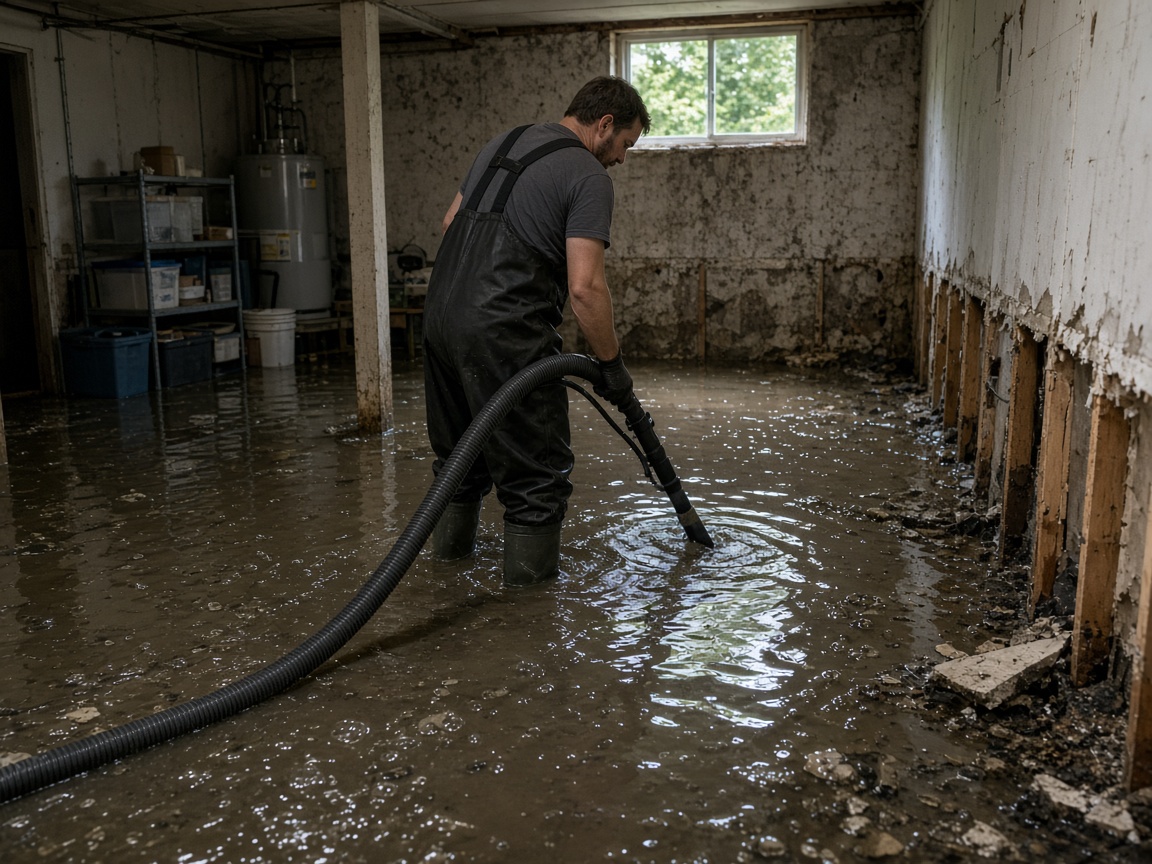
If you're dealing with a flooded basement in Covington, GA, getting reliable water removal services is crucial for preventing widespread damage, mold growth, and structural issues. The typical cost for professional water removal and initial drying in the Georgia area can range from $2,000 to $7,000, depending on the water's category, the extent of the saturation, and the materials affected. This process usually takes 2 to 5 days for complete drying, though more severe cases might require longer. Ignoring even a small amount of standing water can lead to significant problems, especially in older homes common around Newton County, where basements might be more susceptible to moisture intrusion due to aging foundations or insufficient waterproofing.
Common Causes of Basement Flooding in Covington, GA
Basement flooding in Covington and across the Georgia area can stem from a variety of sources, often exacerbated by our local climate and housing characteristics. Heavy rainfall, a common occurrence during the spring and summer months, frequently overwhelms drainage systems. Homes built decades ago, particularly those closer to the Yellow River or South River, may have perimeter drains that are past their prime or even non-existent, making them vulnerable. Beyond weather, internal issues like a burst water heater in a utility closet or a washing machine overflow can quickly inundate a basement. These appliance failures are often unexpected and can release dozens of gallons of water in a short period. Even a clogged sewer line, a less common but more severe cause, can lead to unsanitary water backing up into your basement, requiring specialized sewage cleanup in basement services.
Another significant factor is the local soil composition. Georgia's clay-rich soils, while good for certain types of agriculture, can expand when wet and put immense hydrostatic pressure on basement walls. This pressure can force water through cracks in the foundation or even through porous concrete. Older homes in neighborhoods like Covington's historic district often have stone or brick foundations that are more prone to seepage than modern concrete constructions. Understanding these local nuances is key to effective water damage restoration and preventing future incidents.
The Immediate Steps to Take When Your Basement Floods
When you discover water in your Covington basement, acting quickly is paramount. Your first priority should always be safety. If the water level is high enough to reach electrical outlets or appliances, do not enter the basement until the power has been shut off at the main breaker. This prevents the risk of electrocution. Once the area is safe, identify the source of the water if possible and stop it. For instance, if it's a burst pipe, locate the main water shut-off valve for your home and turn it off. If it's an overflowing appliance, unplug it and turn off its water supply.
Next, try to remove as much standing water as you safely can. Small amounts might be handled with buckets and towels, but for significant flooding, a wet/dry vacuum or submersible pump will be necessary. Move any salvageable items out of the wet area to prevent further damage. This includes furniture, rugs, and boxes. Document the damage with photos or videos for insurance purposes. Even if you plan to handle some of the initial cleanup yourself, contacting a professional for emergency water removal services is highly recommended, as they have industrial-grade equipment for thorough drying and moisture detection.
The Professional Water Removal Process
When you call on professionals for a flooded basement in Covington, GA, the process is systematic and designed for comprehensive recovery. Our team, available 24/7, begins with a thorough assessment to determine the category of water (clean, gray, or black) and the extent of the damage. This initial inspection guides the entire restoration plan. The first critical step is water extraction, where high-powered pumps and vacuums are used to remove standing water quickly. This is much more efficient than DIY methods and helps mitigate further saturation of materials.
Following extraction, the focus shifts to drying and dehumidification. Industrial-strength air movers and dehumidifiers are strategically placed throughout the affected area to dry out structural elements and contents. This step is crucial in preventing mold growth, which can start within 24–48 hours in damp conditions. Our technicians monitor moisture levels using specialized meters to ensure everything is thoroughly dry. Finally, we clean and sanitize the affected areas to remove any contaminants and odors, ensuring your basement is safe and healthy once again. For more insights into this critical phase, you might find our article on The Role of Dehumidifiers in Atlanta Water Damage Recovery helpful.
Preventing Future Basement Flooding
Proactive measures can significantly reduce the risk of future basement flooding in your Covington home. Start by inspecting your exterior drainage. Ensure your gutters are clean and downspouts extend at least 5 to 10 feet away from your foundation, directing water away from the house. Grading your landscape so that it slopes away from your home can also prevent water from pooling near the foundation. Consider installing a sump pump in your basement, especially if you live in a low-lying area or have experienced previous flooding. A battery backup for your sump pump is a wise investment, ensuring it operates even during power outages.