
2026-11-24 ·
Flooded Carpet in Marietta, GA? Get Professional Carpet Water Extraction Today
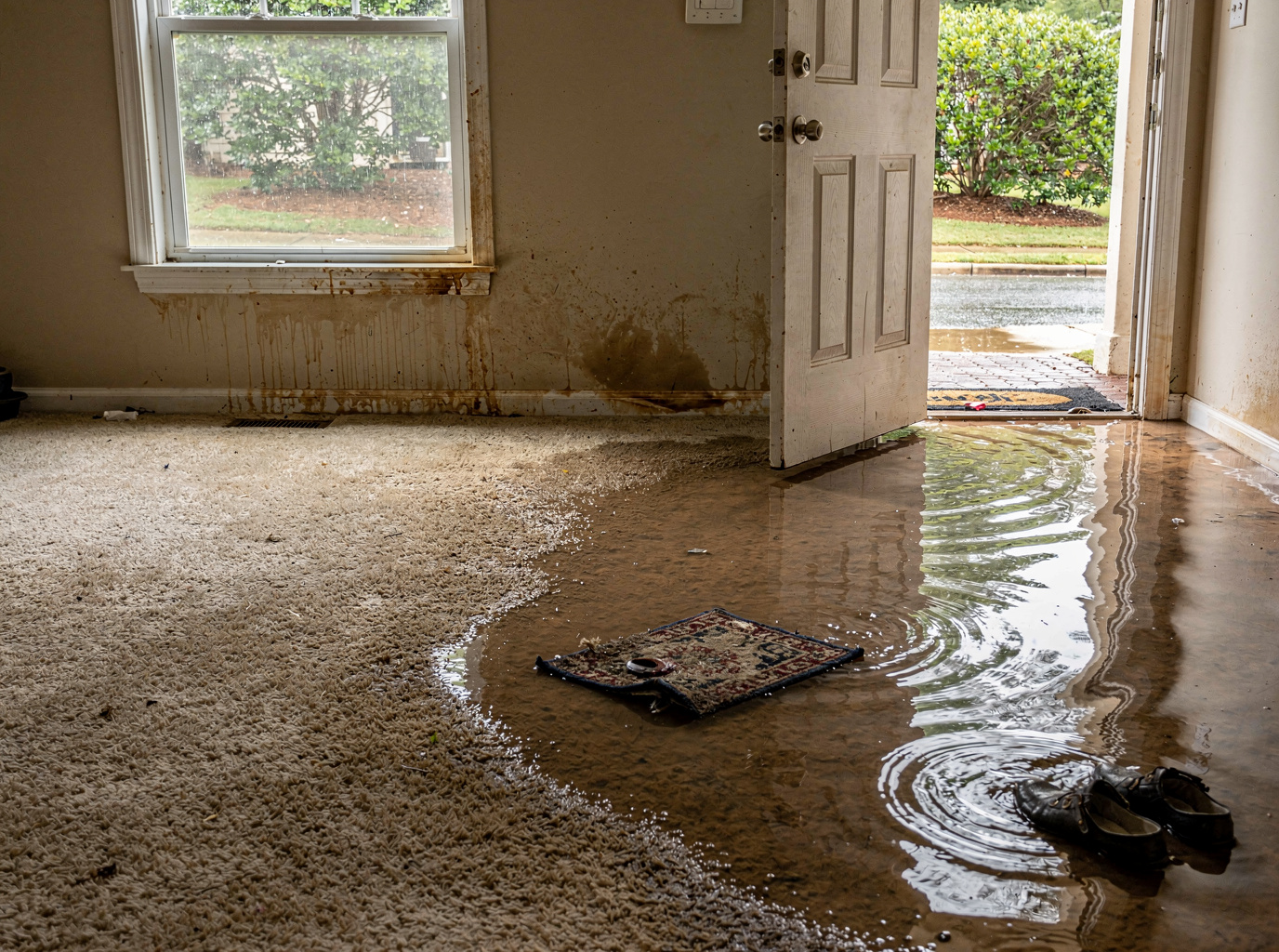
If your carpet in Marietta, GA, is flooded, professional carpet water extraction can absolutely save it, provided the water is clean (Category 1) and remediation begins within 24 to 48 hours. Beyond this timeframe, or with contaminated water (Category 2 or 3), the likelihood of saving the carpet significantly decreases due to rapid mold growth and material breakdown. The process involves powerful extraction equipment to remove standing water, followed by comprehensive drying and dehumidification to eliminate moisture from the carpet, padding, and subfloor. Ignoring flooded carpet, especially in the humid Georgia climate, is a recipe for extensive damage, leading to potential mold remediation needs and costly structural repairs down the line. Acting quickly with the right professionals ensures the best chance for full restoration and prevents further complications.
Understanding the Urgency of Water Extraction in Marietta
Marietta's unique climate, characterized by hot, humid summers and occasional heavy rainfall, makes prompt water extraction even more critical. When a pipe bursts in an older home in the historic district near the Marietta Square, or a severe thunderstorm overwhelms the drainage in a newer subdivision closer to Kennesaw Mountain, water can quickly saturate carpets. This isn't just about surface dampness; water penetrates deep into the carpet fibers, padding, and even the subfloor. Within hours, this trapped moisture creates an ideal breeding ground for mold, which can begin to grow in as little as 24 to 48 hours. Beyond mold, prolonged moisture can delaminate carpet backing, cause hardwood floors underneath to warp, and compromise the structural integrity of your home's framing. The longer water sits, the more severe and costly the damage becomes, often escalating from a simple drying job to a full-scale water damage restoration project.
The Professional Carpet Water Extraction Process
Our professional carpet water extraction process in the Georgia area is a multi-step approach designed to thoroughly remove water and prevent secondary damage. It typically begins with a rapid assessment of the water's source and category to determine the appropriate remediation strategy. For instance, a clean water overflow from a bathtub in a home in Smyrna requires a different approach than sewage backup in a basement in Decatur. We utilize powerful, truck-mounted or portable extraction units that can remove significantly more water than standard wet vacuums, reaching deep into the carpet and padding. Once the bulk of the water is extracted, we lift or remove the carpet and padding to inspect the subfloor, ensuring no hidden moisture pockets remain. This meticulous process is vital to prepare the area for effective drying and dehumidification, which are the next critical steps in restoring your home.
Drying and Dehumidification: Beyond Water Removal
Water extraction is only the first phase; the real work of preventing mold and structural damage comes with thorough drying and dehumidification. After extraction, specialized air movers are strategically placed to create a high-velocity airflow across the wet surfaces, accelerating evaporation. Simultaneously, industrial-grade dehumidifiers are deployed to remove moisture from the air, pulling it out of the saturated materials like carpets, walls, and even furniture. This is especially important in Georgia's humid environment, where ambient moisture can hinder natural drying. We monitor moisture levels in the carpet, padding, and subfloor using advanced meters to ensure everything is dried to industry standards, typically below 15–17% moisture content, which is crucial for preventing microbial growth. This comprehensive drying process can take anywhere from 3 to 5 days, depending on the extent of the saturation and the type of materials involved. For more on this, you might find our article on The Role of Dehumidifiers in Atlanta Water Damage Recovery helpful.
Identifying the Source of Water Damage
Before any extraction begins, it's paramount to identify and stop the source of the water damage. This might seem obvious, but sometimes the origin isn't immediately apparent. In many older homes around the Vinings area, for example, aging plumbing lines can develop slow leaks behind walls, leading to hidden carpet saturation. In newer construction in Johns Creek, a faulty appliance hose or an overflowing HVAC condensate pan might be the culprit. During the rainy season, common in the Georgia area, overwhelmed gutters or a compromised roof can lead to water intrusion, particularly in basements or upper-level rooms. Our technicians are trained to trace the water's path and pinpoint its origin, whether it's a burst pipe, a leaking roof, or a foundation issue. Addressing the source is non-negotiable to prevent future occurrences and ensure a lasting solution to your carpet's water damage.
Potential Secondary Damage and Mold Remediation
Failing to address flooded carpet promptly in Marietta can lead to a host of secondary issues, with mold growth being the most common and concerning. Mold can begin to colonize within 24 to 48 hours of water exposure, spreading quickly throughout the damp environment. Beyond the visible unsightly patches, mold can cause significant indoor air quality problems and potential health issues for occupants. Furthermore, prolonged moisture can lead to structural damage, including warped subflooring, weakened drywall, and compromised wooden supports. Odors can also become a persistent problem, permeating carpets and other porous materials. If mold is detected, our services extend to professional mold remediation to safely and effectively remove contaminants, ensuring your home is healthy and safe. This comprehensive approach differentiates professional services from a simple DIY cleanup.