
2026-11-24 ·
Flooded Laundry Room in Brookhaven, GA? Get Fast Water Removal Today
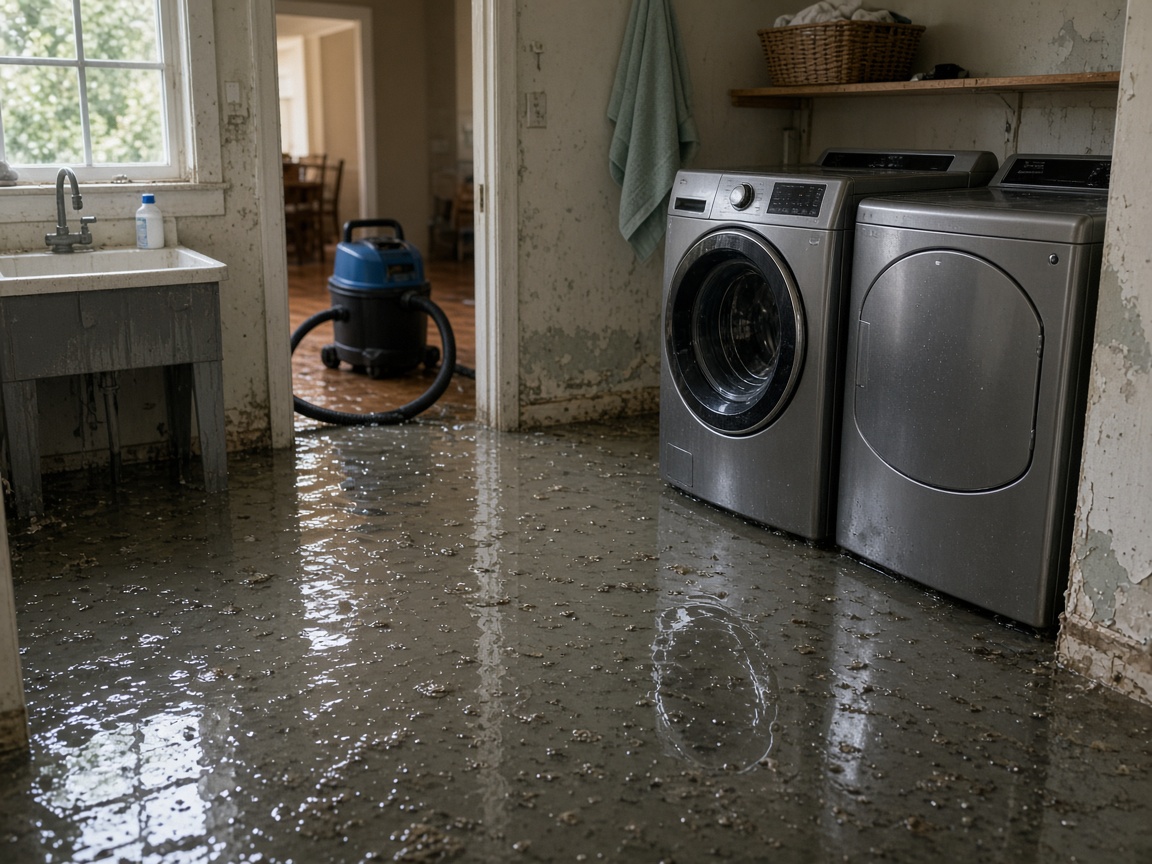
If your laundry room in Brookhaven, GA is flooded, getting fast water removal today is absolutely critical to prevent extensive damage and potential mold growth. The immediate steps you take can significantly reduce the overall impact, but professional intervention is often necessary to ensure thorough drying and prevent long-term issues, especially in older homes common in areas like Brookhaven and Decatur. While the exact timeline depends on the severity, professional teams can often begin extraction within 1–2 hours of your call, with the bulk of standing water removed within a few hours to a full day, depending on volume. The full drying process, including structural elements, can take 3–5 days or even longer for severe cases, requiring specialized equipment to address the humid Georgia climate.
Common Causes of Laundry Room Flooding in Brookhaven
Laundry rooms, by their very nature, house several potential sources of water leaks and floods. In Brookhaven, where many homes feature older plumbing systems, these risks can be elevated. One of the most frequent culprits is a washing machine hose failure. These hoses, especially the older rubber variety, can crack, burst, or become disconnected, releasing dozens of gallons of water in minutes. We often see this in homes throughout the Georgia area, where the constant water pressure and age take their toll. Another common issue is a clogged or overflowing drain. Lint and soap scum can accumulate over time, leading to blockages that cause water to back up and spill onto the floor. This is particularly prevalent in homes with heavy laundry use.
Beyond washing machine issues, problems with your home's main plumbing can also manifest in the laundry room. A burst pipe due to extreme temperature fluctuations, though less common in Georgia's milder winters compared to northern states, can still occur if temperatures drop significantly. Water heater leaks are also a significant concern, especially if your water heater is located in or near the laundry room. A failing 40-gallon or 50-gallon water heater can release its entire contents, leading to substantial flooding. Understanding these common causes helps homeowners in areas like Sandy Springs and Roswell take preventative measures.
Immediate Steps When Your Laundry Room Floods
When you discover a flooded laundry room, acting quickly is paramount. Your first priority should always be safety. Shut off the water supply to the washing machine immediately. There should be two valves behind the machine, one for hot and one for cold water. If you can't access them or they don't work, locate your home's main water shut-off valve and turn it off. This is usually found near your water meter or where the main water line enters your house, often in the basement or garage. Next, disconnect the power to the washing machine and any other electrical appliances in the flooded area by unplugging them or flipping the circuit breaker. Water and electricity are a dangerous combination, and this step is non-negotiable for your safety.
Once the immediate hazards are addressed, begin removing standing water if it's safe to do so. For small puddles, towels and buckets might suffice. However, for significant flooding, you'll need more robust tools like a wet/dry vacuum. Be cautious about the type of water; if it's sewage-contaminated (black water), do not attempt to clean it yourself, as it poses serious health risks. In such cases, professional sewage cleanup is essential. Move any items like laundry baskets, detergents, or movable furniture out of the flooded area to prevent further damage. The faster you remove items, the less chance they have to absorb water and become permanently damaged. For more insights on handling different types of water, consider reading our article on Understanding Water Categories: Clean, Gray, and Black Water in Atlanta Homes.
The Importance of Professional Water Removal and Drying
While immediate DIY efforts can help, professional water removal and drying services are crucial for comprehensive restoration, particularly in a humid climate like Georgia's. Even after visible water is gone, moisture can penetrate walls, subflooring, and insulation, creating ideal conditions for mold growth. Brookhaven homes, with their varied construction types, can hold hidden moisture in unexpected places. Our team uses specialized equipment, such as powerful extractors, industrial-grade dehumidifiers, and air movers, to thoroughly dry out the affected area. This equipment is designed to remove moisture from porous materials that household fans simply can't reach, preventing long-term structural damage and unpleasant odors.
Ignoring professional drying can lead to costly repairs down the line, including replacing drywall, flooring, and even structural elements. Mold can begin to grow within 24–48 hours of water exposure, and once established, it requires specialized mold remediation to remove safely. Furthermore, hidden moisture can compromise the integrity of your home's structure, leading to warping, swelling, and cracking of materials. Professional services also include monitoring moisture levels with advanced meters, ensuring that the area is completely dry before reconstruction or repairs begin. This meticulous approach is what sets professional water damage restoration apart from a quick mop-up.
Preventing Future Laundry Room Floods
Proactive measures can significantly reduce the risk of another laundry room flood. A simple yet highly effective step is to regularly inspect washing machine hoses. Replace old rubber hoses with braided stainless steel hoses every 3–5 years, even if they look fine. These are far more durable and less prone to bursting. Also, consider installing a flood sensor in your laundry room that can alert you to leaks early on, giving you time to react before significant damage occurs. These sensors are relatively inexpensive and can be a lifesaver.