
2026-11-24 ·
Heavy Rain Flooded Your Basement in Dallas, GA? Get Emergency Water Removal
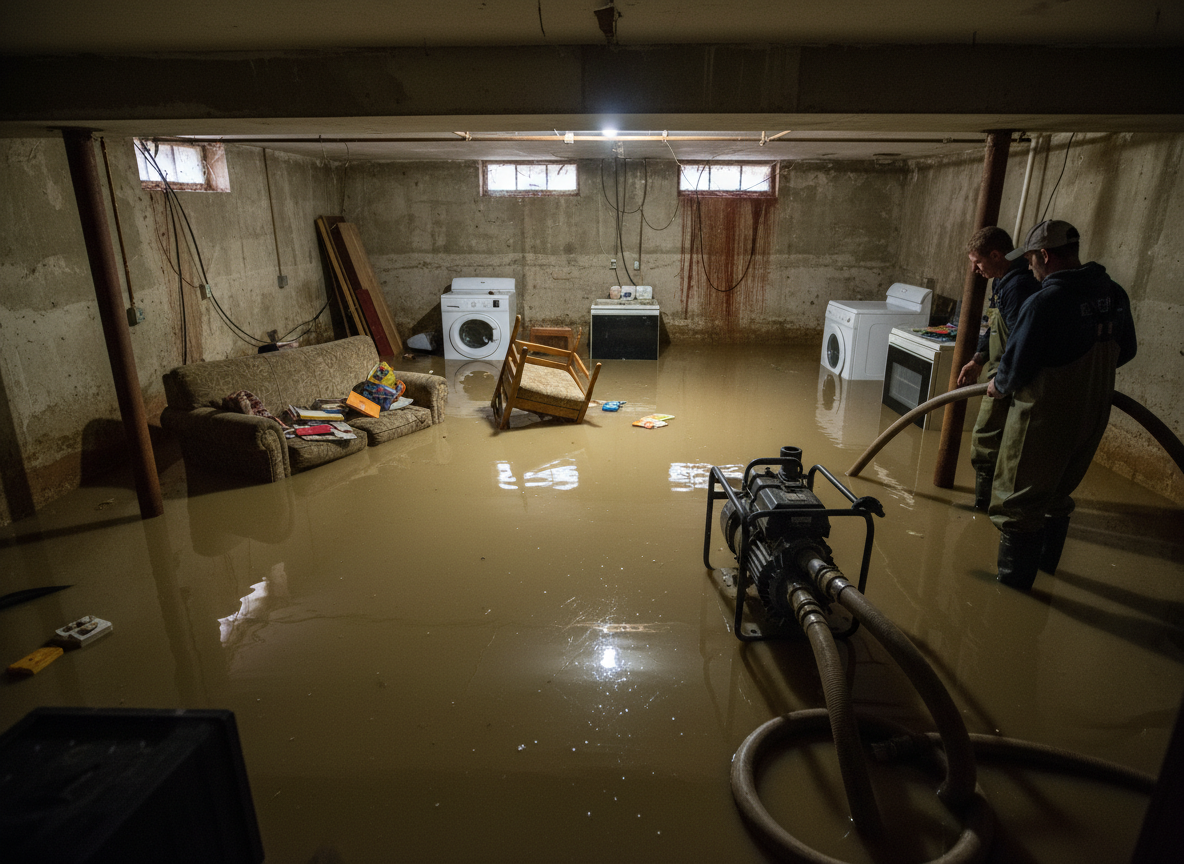
Yes, if heavy rain has flooded your basement in Dallas, GA, it is absolutely critical to get <a href="/services/emergency-water-removal-near-me">emergency water removal</a> as quickly as possible. The longer water sits, the more extensive and costly the damage becomes, often leading to mold growth within 24–48 hours. Homes in Dallas, particularly older properties in areas like the historic downtown or neighborhoods near Pumpkinvine Creek, often have basements that are susceptible to water intrusion due to aging foundations, hydrostatic pressure from saturated soil, or overwhelmed drainage systems. Our Georgia climate, characterized by humid summers and frequent, intense thunderstorms, means that even a few hours of heavy rainfall can quickly turn a dry basement into a swimming pool. Addressing this promptly protects your home's structure, preserves personal belongings, and safeguards indoor air quality from potential mold contamination.
Why Dallas, GA Basements Are Prone to Flooding
Dallas, GA, like much of Paulding County, experiences weather patterns that make basements particularly vulnerable to flooding. Our intense summer thunderstorms, often bringing several inches of rain in a short period, can quickly saturate the clay-rich soil prevalent in the Georgia area. This heavy, dense soil doesn't drain quickly, leading to increased hydrostatic pressure against basement walls. Many homes, especially those built in the mid-20th century, may not have adequate exterior waterproofing or interior drainage systems to handle this pressure. Furthermore, the undulating terrain around landmarks like the Dallas Theater can direct large volumes of runoff towards lower-lying properties. Even properties with seemingly robust foundations can be overwhelmed when downspouts are clogged or improperly directed, or when grading around the home slopes towards the foundation rather than away from it, funneling water directly into the basement.
The Immediate Dangers of Basement Flooding
Beyond the obvious mess, a flooded basement presents several immediate hazards that require urgent attention. First and foremost is the risk of electrical shock. Submerged outlets, wiring, and appliances become extremely dangerous, and homeowners should never enter a flooded basement without ensuring the power has been completely shut off at the main breaker. Structural damage is another major concern; prolonged water exposure can weaken wooden support beams, compromise drywall, and even cause foundation issues over time. The water itself can be contaminated, especially if it's floodwater from outside that has picked up chemicals, sewage, or other hazardous materials. This type of contamination poses serious health risks. Moreover, the high humidity levels typical of Georgia create an ideal environment for mold and mildew to thrive once water is present. Mold can begin to grow within 24–48 hours, leading to costly remediation and potential respiratory issues for occupants.
The Emergency Water Removal Process
When you call for <a href="/services/emergency-water-damage">emergency water removal</a> in Dallas, GA, the process typically begins with a rapid assessment of the situation. Our team, available 24/7, will arrive quickly to identify the source of the water if it's still ongoing and take steps to stop it. The next critical step is water extraction, using powerful pumps and vacuums to remove standing water. This is far more effective than trying to bail it out yourself, as professional equipment can remove hundreds of gallons per minute. Once the bulk of the water is removed, we focus on drying out the affected areas. This involves deploying high-capacity air movers and dehumidifiers to reduce humidity levels and dry out structural materials like wood, drywall, and insulation. The goal is to bring moisture levels back to normal to prevent secondary damage like warping, swelling, and mold growth. Throughout this process, we continuously monitor moisture levels with specialized meters to ensure thorough drying.
Preventing Mold Growth After a Flood
Preventing mold growth is a primary concern after any basement flood, especially in Georgia's humid climate. Even after visible water is removed, moisture can linger within porous materials like drywall, carpet padding, and insulation, creating perfect conditions for mold spores to germinate. This is why professional drying is so crucial; simply letting things air dry isn't enough. Our process includes using industrial-strength dehumidifiers and air movers to aggressively dry out the environment. We also apply antimicrobial treatments to affected surfaces to inhibit mold and mildew growth. If water has been present for more than 48 hours, or if there's any suspicion of contaminated water, we will also assess for existing mold. Should mold be detected, a specialized <a href="/services/water-remediation">water remediation</a> plan would be implemented to safely contain and remove it, protecting your family's health and your home's integrity. For more on this, you might find our article on <a href="/blog/water-damage-to-hardwood-floors-restoration-options-in-atlanta">Water Damage to Hardwood Floors: Restoration Options in Atlanta</a> helpful, as similar principles apply to other materials.
What to Do While Waiting for Help
While waiting for professional help to arrive, there are several steps you can take to minimize damage and ensure safety. First, if it's safe to do so, shut off the electricity to the affected area at your main breaker panel to prevent electrical hazards. Next, try to stop the water source if it's an internal issue like a burst pipe; for external flooding, there's less you can do immediately. Begin to remove small, valuable items from the water, such as electronics, important documents, and sentimental photographs, and move them to a dry area. If furniture is sitting in water, place aluminum foil or wood blocks under the legs to prevent staining carpets or absorbing more moisture. Do not use a household vacuum cleaner to remove water, as this poses an electrocution risk. Avoid walking through deep water, especially if you haven't confirmed the power is off. These initial actions can significantly reduce the overall damage until professional teams arrive to handle the extensive <a href="/services/basement-flood-cleanup">basement flood cleanup</a>.