2026-11-24 ·
Need Emergency Flood Cleanup in McDonough, GA? Restore Your Home Today
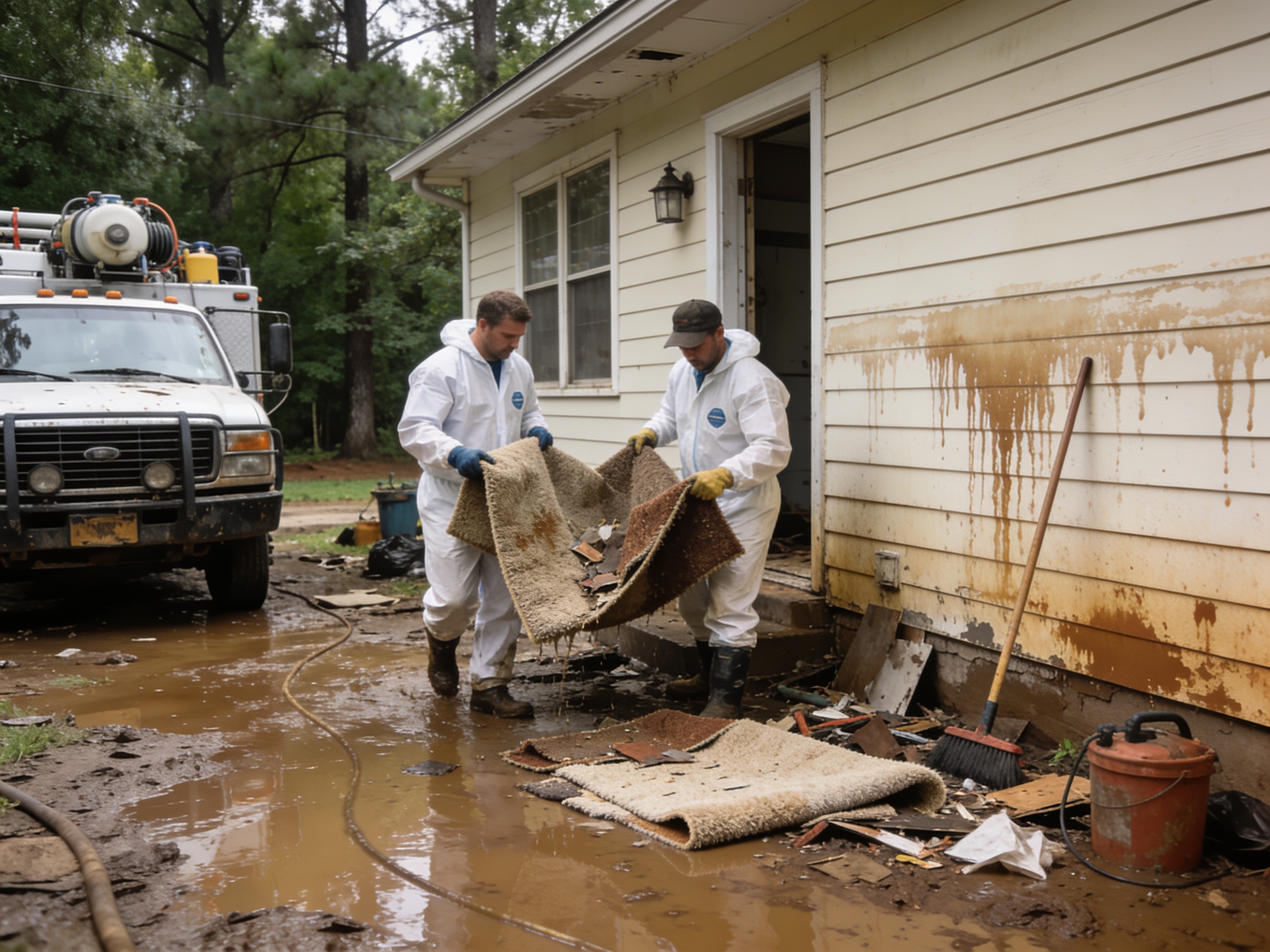
If you need emergency flood cleanup in McDonough, GA, the most effective and safest way to restore your home is by engaging professional water damage restoration services immediately. Acting within the first 24–48 hours significantly reduces the risk of secondary damage like mold growth and structural compromise, which can escalate repair costs from a few hundred dollars for minor drying to thousands for extensive remediation. Our owner-operated team is available 24/7, every day of the week, to address these urgent situations across the Georgia area, including McDonough and surrounding cities like Stockbridge and Hampton. We understand the unique challenges of flood damage in this region, from the clay-rich soils that can exacerbate foundation issues to the humid climate that accelerates mold development after any water intrusion.
Understanding Flood Damage in McDonough, GA
McDonough, like many communities in Henry County and the broader Georgia area, experiences its share of heavy rainfall and occasional severe weather, particularly during the spring and summer months. These weather patterns, sometimes associated with tropical systems moving inland, can quickly overwhelm drainage systems and lead to localized flooding. Homes built on lower elevations or with older foundations are particularly susceptible. The typical housing stock in McDonough ranges from historic homes in the city center to newer constructions in developing subdivisions, each presenting different vulnerabilities to water intrusion. For instance, older homes might have less robust waterproofing, while even newer properties can suffer from grading issues or overwhelmed sump pumps during intense downpours. Understanding these local conditions is key to effective flood cleanup.
The Immediate Dangers of Floodwater
Floodwater isn't just an inconvenience; it poses significant health and safety risks. Depending on its source, floodwater can be categorized as 'black water,' meaning it contains raw sewage, chemicals, or other hazardous contaminants. This type of water requires specialized handling due to the pathogens it carries. Beyond the immediate health concerns, floodwater rapidly compromises building materials. Drywall, insulation, and wooden structures absorb water, leading to swelling, warping, and a loss of structural integrity. Within 24–48 hours, the warm, humid Georgia environment creates an ideal breeding ground for mold, which can spread rapidly throughout your home, affecting air quality and causing further damage to porous materials. Prompt action is paramount to mitigate these dangers and protect your family's health and your property's value.
The Professional Flood Cleanup Process
Engaging a professional service for flood cleanup in McDonough involves a systematic approach designed to restore your home efficiently and safely. Our process typically includes:
- Emergency Water Extraction: Using powerful pumps and vacuums, we remove standing water as quickly as possible. This initial step is critical for preventing further absorption into materials and reducing the timeline for drying. For large-scale flooding, this could mean extracting hundreds of gallons of water from areas like basements or crawl spaces, a common issue for homes near the South River.
- Moisture Mapping and Assessment: We utilize advanced moisture meters and thermal imaging cameras to detect hidden pockets of moisture within walls, floors, and ceilings. This step ensures that no damp areas are overlooked, which could otherwise lead to long-term issues like mold or structural rot. Our assessment also identifies the category of water damage, guiding the appropriate remediation protocols.
- Structural Drying and Dehumidification: High-capacity air movers and commercial-grade dehumidifiers are strategically placed to dry out affected areas thoroughly. This isn't just about surface drying; it's about drawing moisture out of building materials to bring humidity levels back to normal. This phase is particularly important in Georgia's humid climate, where natural drying is often insufficient.
- Cleaning, Sanitizing, and Deodorization: All affected surfaces are cleaned, sanitized, and deodorized to eliminate contaminants and odors. For 'black water' floods, this step is especially rigorous to ensure all hazardous materials are neutralized. We pay close attention to areas like carpet padding and subflooring, which can harbor unseen issues.
- Mold Remediation (if necessary): If mold has already begun to grow, our team is equipped to perform comprehensive Mold Remediation. This involves isolating affected areas, removing contaminated materials, and treating surfaces to prevent recurrence. Addressing mold is crucial for maintaining healthy indoor air quality and preventing further structural damage.