
2026-11-24 ·
Pipe Burst in Your Atlanta Home? Get Emergency Water Extraction and Restoration
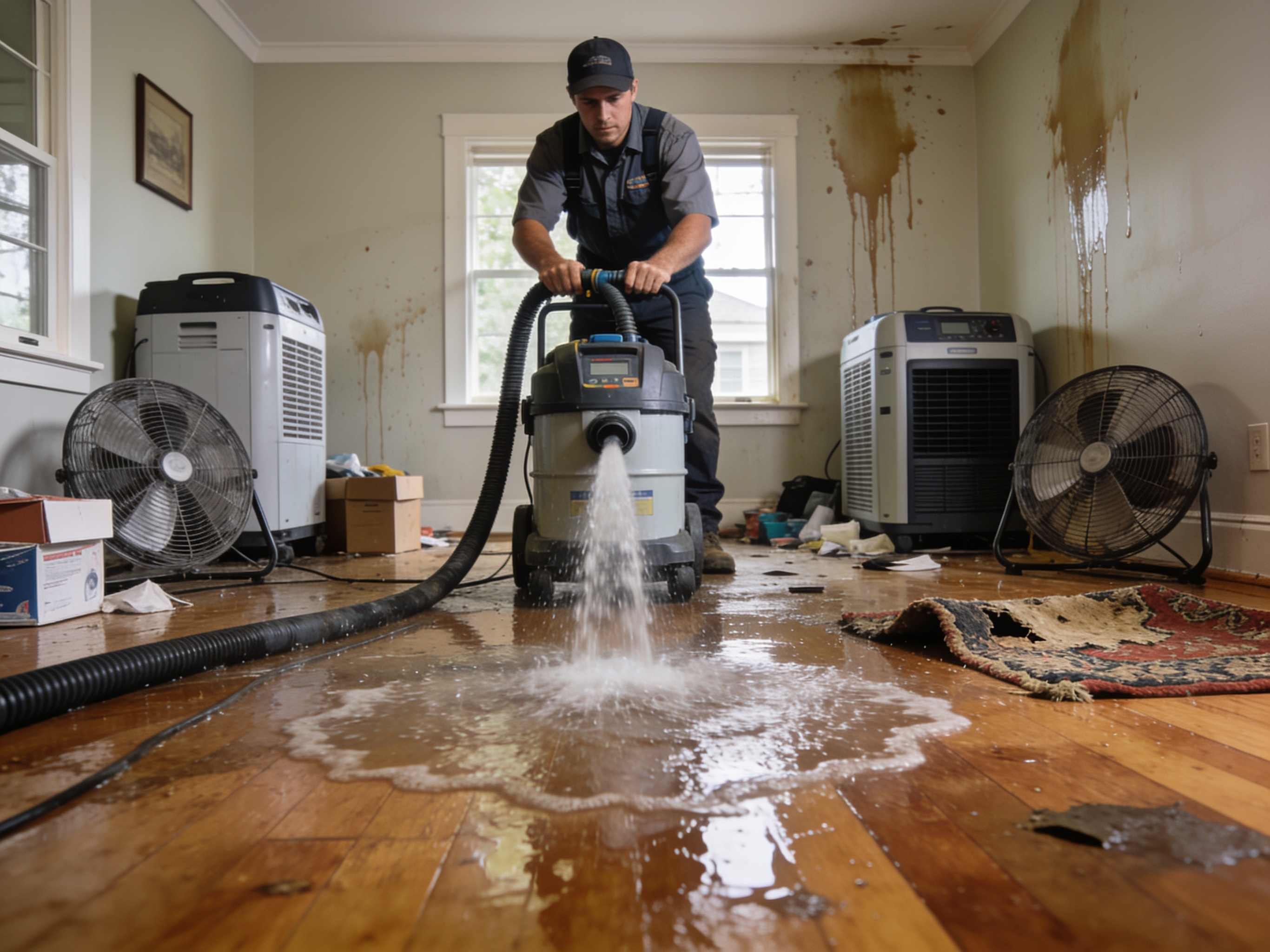
If you experience a burst pipe in your Atlanta home, immediate emergency water extraction and restoration are absolutely critical to prevent extensive damage and potential mold growth. The cost of addressing a burst pipe can range significantly, typically from $1,500 to $5,000 for basic water extraction and drying in a single affected area, but can easily climb to $10,000 or more if structural damage, extensive material replacement, or mold remediation becomes necessary. Factors like the volume of water, the type of materials affected (hardwood floors, drywall, carpet), and the response time all play a huge role. For instance, a burst pipe in an older home in Decatur with original hardwood floors will present a different challenge than a similar incident in a newer build in Johns Creek with concrete slab foundations and synthetic flooring. Acting quickly to mitigate the water damage, especially with our humid Georgia climate, is paramount to protecting your property and avoiding more costly repairs down the line.
Understanding Burst Pipes in Atlanta Homes
Burst pipes are a common issue we encounter across Georgia, from the historic homes in Inman Park to the suburban residences in Marietta. The primary culprit is often freezing temperatures, which, while not as extreme as up north, can still dip below freezing for extended periods during our winter months. When water freezes, it expands, putting immense pressure on pipes, especially those in unheated areas like crawl spaces, attics, or exterior walls. Homes in the Atlanta area, particularly those built before the 1980s, often have galvanized steel or copper pipes that are more susceptible to corrosion and weakness over time, increasing their vulnerability to bursting. Even modern PEX or PVC pipes can fail under extreme pressure. Beyond freezing, sudden pressure changes, corrosion, or even accidental punctures during home renovations can lead to a pipe bursting, unleashing gallons of water per minute into your living space. The rapid onset of water can quickly saturate building materials, leading to structural damage and creating an ideal environment for mold within 24 to 48 hours.
The Immediate Aftermath: What to Do First
When a pipe bursts, your immediate response can significantly reduce the overall damage and subsequent restoration costs. First and foremost, locate and shut off your home's main water supply valve. This is usually found in your basement, crawl space, or near your water meter outside the house. Next, if safe to do so, turn off the electricity to the affected area to prevent electrical hazards. Then, begin removing as much standing water as possible using buckets, mops, or wet/dry vacuums. Move furniture, rugs, and other valuables to a dry area to prevent further saturation and staining. Open windows and doors to promote air circulation, especially given Atlanta's often humid conditions, but understand that this is only a temporary measure. For significant water intrusion, a professional emergency water extraction service is essential. Our team is available 24/7, every day of the week, to respond to these emergencies, ensuring that immediate action is taken to mitigate the damage.
The Emergency Water Extraction Process
Emergency water extraction is the critical first step in mitigating damage from a burst pipe. Our process begins with a rapid assessment of the affected areas to determine the scope of the water intrusion and identify any potential hazards. We utilize powerful, truck-mounted extraction units and industrial-grade pumps to quickly remove large volumes of standing water from basements, living areas, and even flooded crawl spaces. This is especially important in areas like Sandy Springs or Roswell, where homes often have finished basements that can suffer extensive damage. Thorough extraction prevents water from seeping deeper into subflooring, walls, and structural elements, which can lead to costly long-term problems. After the bulk of the water is removed, we deploy high-capacity air movers and dehumidifiers to dry out the remaining moisture from building materials and the air. This controlled drying process is vital to prevent secondary damage and inhibit mold growth, which thrives in our warm, moist Georgia environment. You can learn more about our comprehensive approach to water extraction services.
Comprehensive Water Damage Restoration
Once the emergency water extraction is complete and the affected areas are thoroughly dried, the next phase is comprehensive water damage restoration. This involves repairing or replacing damaged materials and restoring your home to its pre-loss condition. For properties in older Atlanta neighborhoods like Virginia-Highland or Candler Park, where homes often feature plaster walls and original wood flooring, restoration might involve careful drying and repair of these specific materials. In many cases, drywall, insulation, and even subflooring may need to be removed and replaced if they are too saturated or show signs of structural compromise. We also address any lingering odors and perform thorough cleaning and sanitization to ensure a healthy living environment. Our goal is to not just dry out your home, but to fully restore it, addressing all aspects of the damage from the burst pipe. This meticulous approach helps prevent future issues and ensures the longevity of your repairs.
Preventing Future Burst Pipes
While we're here to help when disaster strikes, taking proactive steps can significantly reduce your risk of future burst pipes. In Georgia, adequate insulation is key. Ensure that pipes in unheated areas like attics, crawl spaces, and exterior walls are properly insulated. For homes in areas like Duluth or Lawrenceville, where winter temperatures can drop, consider wrapping exposed pipes with heat tape or foam insulation. During cold snaps, allow faucets to drip slightly to keep water moving through pipes, especially those on exterior walls. Disconnect garden hoses and drain outdoor spigots before winter. If you're planning to be away from your Atlanta home during colder months, consider setting your thermostat no lower than 55°F to maintain a safe ambient temperature. Regular plumbing inspections can also identify weak points or corrosion in your piping system before they lead to a burst. For more insights on protecting your home, check out our article on Burst Pipe or Water Leak in Alpharetta, GA? Get Emergency Water Damage Repair Now.