2026-11-24 ·
Post-Flood Cleanup: Restoring Your Atlanta Home Safely
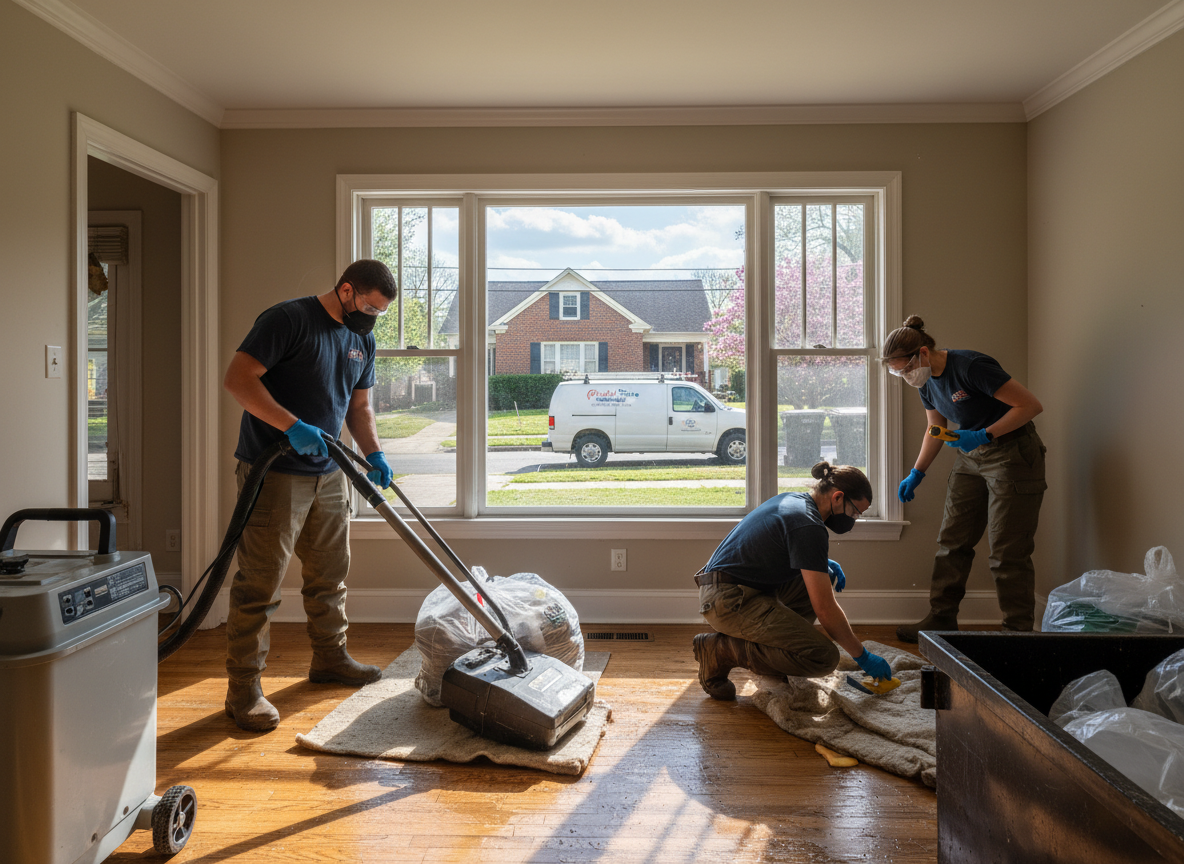
Safely restoring your Atlanta home after a flood involves a multi-step process that typically takes anywhere from 3 to 7 days for minor incidents, extending to several weeks or even months for severe structural damage. The immediate aftermath of a flood, whether from a burst pipe in a historic home in Inman Park or an overflowing Chattahoochee River impacting properties in Sandy Springs, demands swift action to mitigate long-term issues like structural compromise and mold growth. Our humid Georgia climate means that standing water and dampness can quickly lead to secondary damage, making a rapid, thorough response absolutely critical for homeowners across the Atlanta metro area.
Immediate Steps After Discovering Flood Damage
Once you've ensured your family's safety and turned off the power to the affected areas, the very first step is to stop the water source. This might mean shutting off your main water line if it's an internal plumbing issue, or taking measures to divert external floodwaters if safe to do so. Documenting the damage with photos and videos is crucial for insurance claims, capturing the extent of saturation in areas like a flooded basement in Decatur or a water-logged living room in Marietta. Removing large, easily movable items, especially those with sentimental value, can prevent further loss. However, never attempt to move heavy, saturated items alone, as they can pose a significant injury risk. For extensive flooding, especially in basements common in older Atlanta homes, professional help for emergency water removal is often necessary to safely and efficiently extract large volumes of water.
Water Extraction and Drying Protocols for Georgia Homes
Effective water extraction is the cornerstone of post-flood cleanup. In Georgia, where high humidity is a constant factor, simply opening windows isn't enough. Professional-grade equipment, including powerful pumps and industrial-strength dehumidifiers, is essential to remove both visible standing water and hidden moisture. Our experience across neighborhoods from Buckhead to Lawrenceville shows that moisture can seep into subflooring, wall cavities, and insulation, creating pockets ripe for mold. After extraction, the drying process involves strategic placement of air movers and dehumidifiers to rapidly reduce ambient moisture levels. This phase is critical and typically lasts for several days, monitored closely with moisture meters to ensure all materials, including wood framing and drywall, are dried to safe, pre-flood levels. Overlooking any damp areas can lead to significant problems down the line, particularly in the warm, moist conditions prevalent in the Atlanta area.
Preventing Mold Growth in Humid Climates
Given Georgia's naturally humid environment, mold growth is a primary concern after any water intrusion. Mold can begin to form within 24 to 48 hours of water exposure, making rapid drying paramount. After water extraction and initial drying, applying antimicrobial treatments to affected surfaces can help inhibit mold spores. This is especially important in areas like crawl spaces, which are common in many older homes throughout Atlanta and surrounding areas like Roswell and Alpharetta, and are naturally prone to dampness. If mold has already started to develop, professional mold remediation becomes necessary. This involves containment, specialized cleaning techniques, and often the removal of porous materials that cannot be salvaged, such as drywall or insulation. Ignoring even small patches of mold can lead to widespread contamination and potential health issues for your family.
Assessing Damage and Making Necessary Repairs
Once the property is thoroughly dried and free of mold, a comprehensive assessment of the remaining damage is crucial. This includes checking the structural integrity of walls, floors, and ceilings, inspecting electrical systems, and evaluating the condition of permanent fixtures. In many Atlanta homes, especially those built before the 1980s, water damage can reveal pre-existing issues or exacerbate problems with older plumbing and electrical wiring. Repairs can range from replacing sections of drywall and flooring to more extensive structural work. For homeowners in areas like Conyers or Douglasville dealing with significant damage, coordinating with a skilled water damage contractor ensures that all necessary repairs are performed correctly and safely, restoring your home to its pre-flood condition and preventing future issues.
Final Steps and Long-Term Prevention
The final stage of post-flood cleanup involves thorough cleaning and sanitization of all affected areas, ensuring any lingering odors or contaminants are removed. This is particularly important if the flood involved contaminated water, such as a sewage backup in a basement in East Point, which requires specialized sewage cleanup procedures. Once your home is restored, consider long-term prevention strategies. For Atlanta homeowners, this might include improving drainage around your foundation, installing a sump pump in your basement, or regularly inspecting and maintaining plumbing systems to prevent future leaks. Being proactive, especially during our region's heavy storm seasons, is key to safeguarding your property against future water damage. For more insights on protecting your home, you might find our article on preventing water damage during vacation helpful.