
2026-11-24 ·
Searching for Residential Water Damage Restoration in Johns Creek, GA? Get Help Today
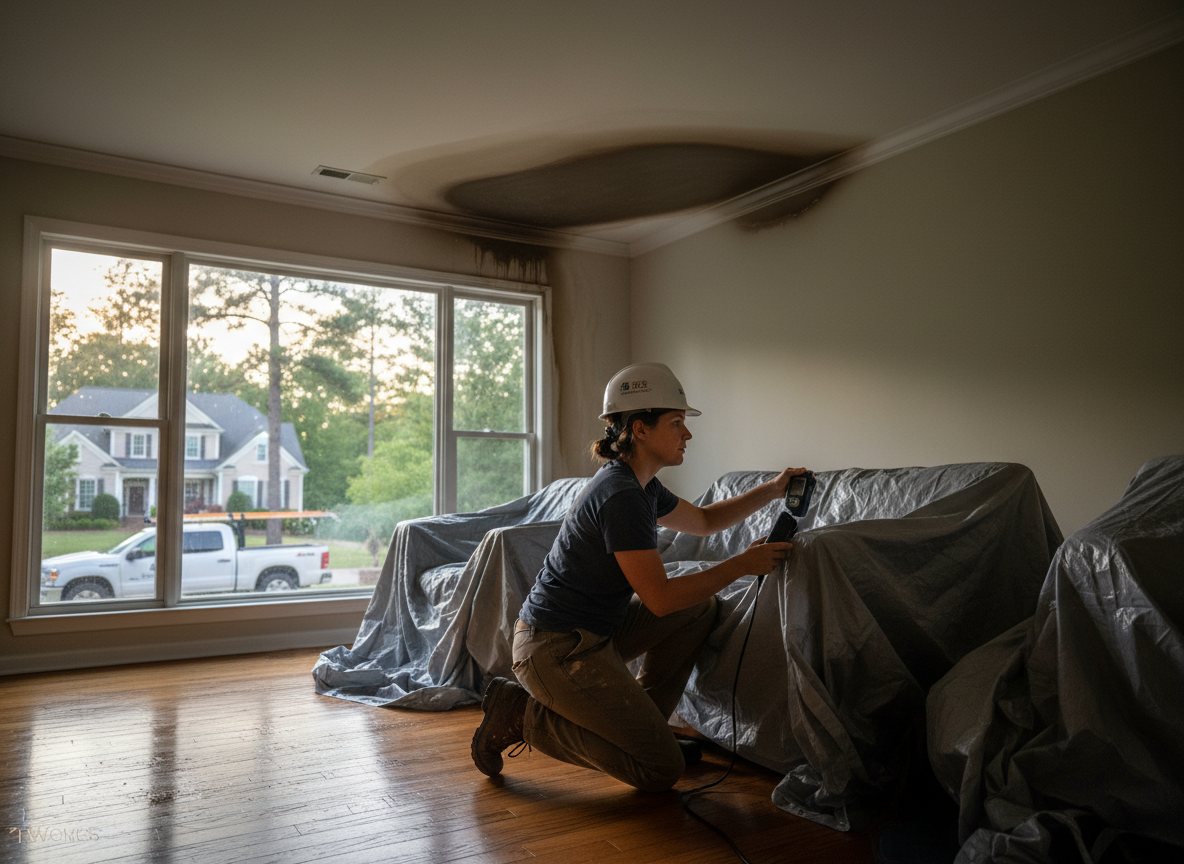
If you're searching for residential water damage restoration in Johns Creek, GA, the most important thing to know is that immediate action is paramount. The longer water sits, the more severe and costly the damage becomes, often escalating from a minor inconvenience to a major structural and health hazard within 24-48 hours. For homes in Johns Creek and the broader Fulton County area, this means addressing issues from a burst pipe, an overflowing appliance, or even heavy seasonal rains right away. Professional restoration services, like those offered by Atlanta Water Damage Restoration LLC, are available 24/7 to assess the situation, extract standing water, dry affected areas, and begin the restoration process to protect your property and peace of mind.
Understanding Water Damage in Johns Creek Homes
Johns Creek, like many communities in the Georgia area, experiences a mix of weather patterns that can contribute to water damage. Our humid subtropical climate means that even minor leaks can quickly foster mold growth, particularly in older homes with less robust moisture barriers. Summers bring intense thunderstorms and tropical depressions that can cause localized flooding, while winters, though milder than up north, still see freezing temperatures that can burst pipes in inadequately insulated areas like basements or crawl spaces. Many homes in Johns Creek, especially those built in the 1980s and 1990s, feature basements and crawl spaces, which are particularly susceptible to water intrusion from heavy rains or plumbing failures. These areas often require specialized drying techniques due to their limited ventilation and cooler temperatures, making professional intervention crucial.
Beyond weather, common culprits for residential water damage in Johns Creek include failing water heaters, overflowing washing machines, leaky dishwashers, and compromised plumbing lines. A typical 40-gallon water heater has a lifespan of 8–12 years, and neglecting its replacement can lead to catastrophic leaks. Similarly, older homes in neighborhoods like Medlock Bridge or St. Ives might have original plumbing that's nearing the end of its service life, increasing the risk of pinhole leaks or sudden ruptures. Catching these issues early can save thousands in repair costs and prevent the need for extensive <a href="/services/water-damage-mitigation">water damage mitigation</a>.
The Critical Stages of Water Damage Restoration
Effective residential water damage restoration follows a structured process designed to address immediate concerns and prevent long-term problems. This isn't just about removing visible water; it's about thoroughly drying, sanitizing, and restoring your property to its pre-damage condition. Our team, operating across Georgia and its surrounds, understands the unique challenges presented by local building materials and climate. We're on call 24 hours a day, 7 days a week, because water damage doesn't adhere to a 9-to-5 schedule.
The process typically involves several key stages:
- Emergency Contact & Assessment: This is the first step when you call for help. We gather initial information about the damage and dispatch a team to your Johns Creek home. Upon arrival, we conduct a thorough inspection using advanced moisture detection equipment to identify the source of the water, assess the extent of the damage, and categorize the water (e.g., clean, gray, or black water). This initial assessment guides the entire restoration plan.
- Water Extraction: Using powerful pumps and vacuums, we remove hundreds or even thousands of gallons of standing water from your home. This step is critical for minimizing drying time and preventing secondary damage, such as mold growth or structural weakening. For homes with basements, like many around the Chattahoochee River corridor, efficient water extraction is vital to prevent long-term humidity issues.
- Drying & Dehumidification: After extraction, the focus shifts to drying out all affected materials and reducing humidity levels. We strategically place industrial-strength air movers and dehumidifiers to target moisture trapped in walls, floors, and structural elements. This phase is often where the science of drying comes into play, ensuring that hidden moisture is eliminated. You can learn more about this process in our article, <a href="/blog/the-science-of-drying-how-professionals-restore-water-damaged-atlanta-homes">The Science of Drying: How Professionals Restore Water-Damaged Atlanta Homes</a>.
- Cleaning & Sanitizing: All affected areas and contents are cleaned, disinfected, and deodorized. This is especially important if the water was contaminated (gray or black water), or if there's a risk of mold or bacterial growth. Our team uses specialized antimicrobial treatments to ensure a safe and healthy environment.
- Restoration & Repairs: This final stage involves repairing or replacing damaged materials. This could range from minor repairs like replacing drywall and flooring to more extensive reconstruction work, depending on the severity of the initial water damage. Our goal is to return your home to its pre-damage state, or even better.