2026-11-24 ·
The Science of Drying: How Professionals Restore Water-Damaged Atlanta Homes
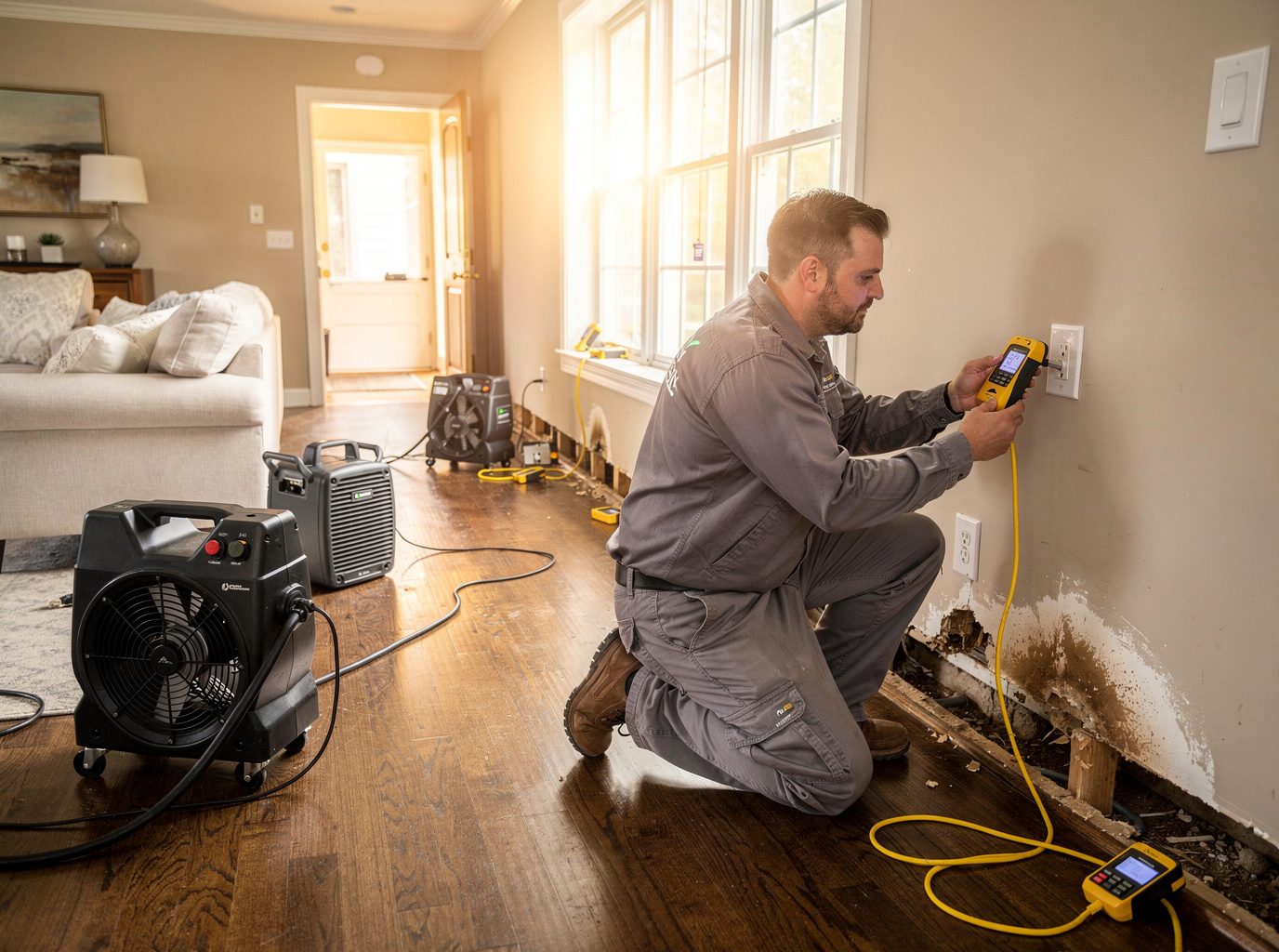
Restoring a water-damaged home in Atlanta involves far more than just mopping up puddles; it's a precise, scientific process that professionals use to ensure thorough drying and prevent long-term issues like mold. The goal is to return your property to its pre-damage condition, often within 3–7 days for typical Category 1 water incidents, though more severe cases involving structural saturation or contaminated water can extend this timeline significantly, sometimes to 2 weeks or more. This process isn't just about removing visible water, but about extracting moisture from hidden areas, materials, and even the air, which is critical given Georgia's humid climate. Homes across various Atlanta neighborhoods, from the historic bungalows of Inman Park to the newer constructions in Johns Creek, can experience water damage from diverse sources, each requiring a tailored approach to drying and restoration.
The Initial Assessment: Understanding the Damage
Before any drying equipment is deployed, a comprehensive assessment is the cornerstone of effective water damage restoration. Our first step is to identify the source of the water and stop it. This could be anything from a burst pipe in an older home in Decatur, a leaky roof after a heavy summer storm common in the Georgia area, or an overflowing appliance in a Sandy Springs residence. Next, we categorize the water to understand potential health risks: Category 1 (clean water), Category 2 (gray water with contaminants), or Category 3 (black water, highly contaminated). This classification dictates the safety protocols and drying methods. We also determine the scope of the damage, meticulously documenting affected areas, materials, and potential structural issues. This involves using moisture meters and thermal imaging cameras to detect hidden moisture pockets within walls, subfloors, and insulation – crucial in older Atlanta homes where water can seep into unexpected places. This initial phase helps us develop a strategic drying plan tailored to your specific situation.
Water Extraction: Removing the Bulk
Once the assessment is complete, the immediate priority is to remove as much standing water as possible. This phase, often referred to as Emergency Water Removal Near Me, is critical because the longer water sits, the more it saturates materials and increases the risk of mold growth. We utilize powerful, truck-mounted or portable extraction units that can remove hundreds of gallons of water quickly. For instance, a flooded basement in a home near Stone Mountain might require submersible pumps to handle significant water volumes, while a smaller leak in a kitchen in Marietta might only need industrial-grade wet/dry vacuums. Efficient extraction reduces drying time significantly and minimizes secondary damage to flooring, drywall, and structural elements. Special attention is paid to carpets and padding; in many cases, if saturated with Category 2 or 3 water, these materials may need to be removed and disposed of to prevent contamination and mold.
Drying and Dehumidification: The Science of Evaporation
This is where the 'science of drying' truly comes into play. After bulk water extraction, the remaining moisture, often hidden within porous materials and the air, must be systematically removed. We employ a combination of industrial-grade air movers and dehumidifiers. Air movers, strategically placed, create high-velocity airflow across wet surfaces, accelerating the evaporation process. Dehumidifiers then pull moisture from the air, preventing it from re-condensing on cooler surfaces and creating a drier environment. There are different types of dehumidifiers: refrigerant dehumidifiers work best in warmer, more humid conditions typical of Atlanta's summers, while desiccant dehumidifiers are more effective in cooler, drier environments or for achieving extremely low humidity levels. Monitoring humidity levels and moisture content in affected materials daily is essential to ensure effective and complete drying. This controlled drying environment is vital, especially in areas like Gwinnett County, where ambient humidity can make natural drying nearly impossible.
Moisture Monitoring and Evaluation: Ensuring Complete Dryness
Effective drying isn't just about running equipment; it's about constant monitoring and adjustment. Our technicians use specialized tools like moisture meters (pin and non-invasive) and hygrometers to track the drying progress. Moisture meters measure the moisture content within materials like drywall, wood, and concrete, allowing us to compare readings with unaffected 'dry standards' to ensure everything is thoroughly dry. Hygrometers measure the relative humidity and temperature of the air, helping us optimize the performance of our dehumidifiers. This meticulous monitoring ensures that no hidden moisture pockets are overlooked, preventing future issues like warping, swelling, or mold growth. Without this rigorous evaluation, it's easy to mistakenly believe an area is dry when significant moisture still remains, setting the stage for bigger problems down the line. This precision is what differentiates professional Water Damage Restoration from DIY efforts.
Addressing Secondary Damage and Preventing Mold Growth
Water damage often leads to secondary issues, with mold growth being one of the most significant concerns, especially in Atlanta's humid climate. Mold can begin to grow within 24–48 hours in damp conditions. Our drying protocols are designed to prevent this by rapidly reducing moisture levels. If mold is already present or suspected, we implement specific remediation strategies, which may include containment, air scrubbing, and removal of affected materials. Additionally, water can cause other secondary damage such as warping of hardwood floors, swelling of drywall, and corrosion of metal components. Our comprehensive approach includes addressing these issues, often involving cleaning, sanitizing, and applying antimicrobial treatments to salvage materials where possible and ensure a healthy indoor environment. For more information on costs, you might find our article Understanding Water Damage Restoration Costs in Atlanta helpful.