
2026-11-24 ·
Water Damage After Heavy Rain in Roswell, GA? Get Your Basement Dried Fast
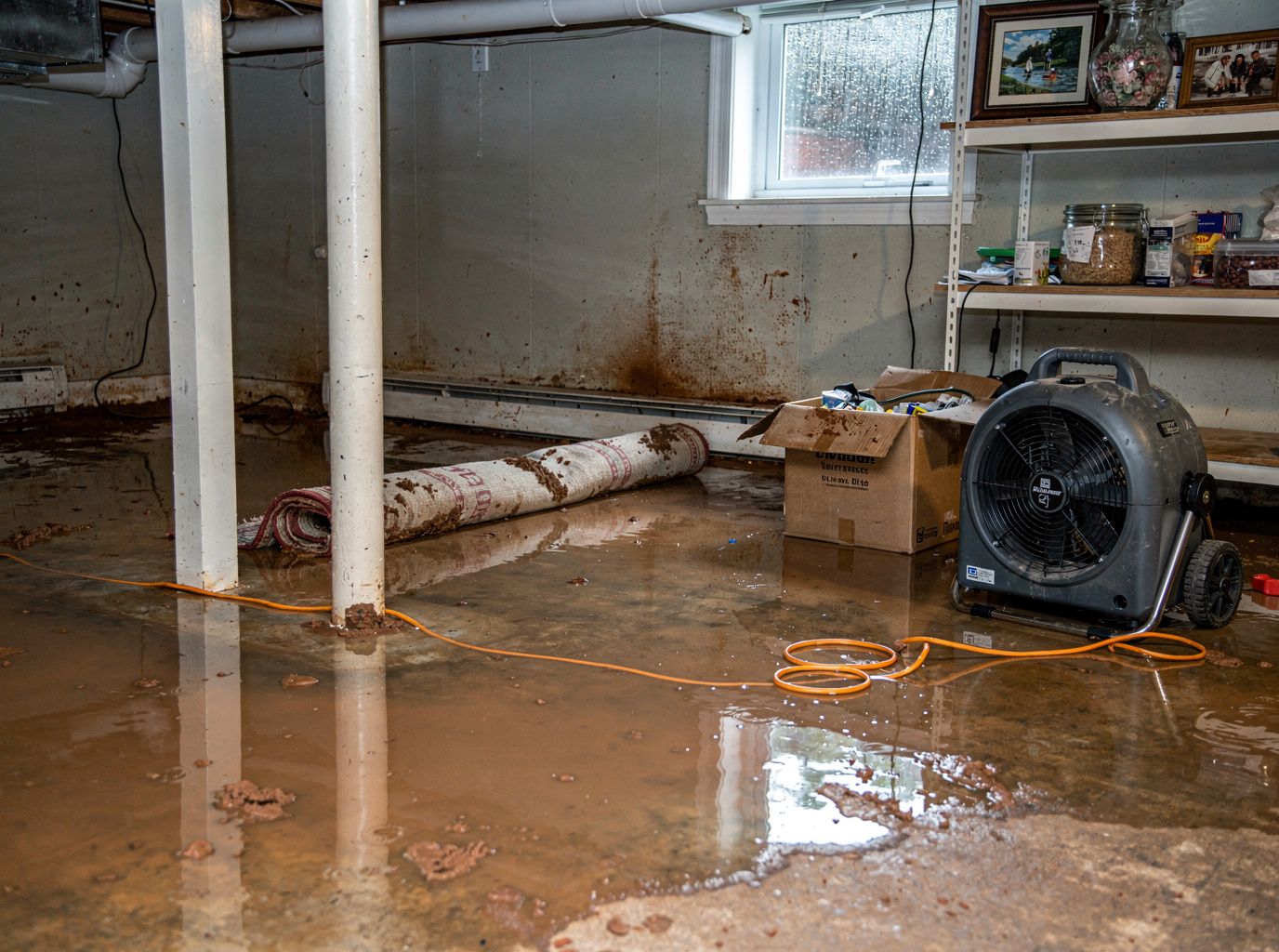
After a significant downpour in Roswell, GA, a flooded basement requires immediate action. Getting your basement dried fast is crucial, typically within 24–48 hours, to prevent extensive secondary damage like mold growth and structural weakening. The humid Georgia climate, especially in areas like Roswell with older homes and varying foundation types, makes rapid response even more critical. Ignoring standing water or even prolonged dampness can escalate a relatively minor water intrusion into a costly and complex problem involving mold remediation and extensive repairs. Our team operates 24/7, understanding that water emergencies don't adhere to a schedule, especially when unexpected storms hit the Fulton County area.
The Realities of Roswell's Weather and Basement Flooding
Roswell, like much of the greater Atlanta area, experiences its share of intense thunderstorms, particularly during the spring and summer months. These events can drop several inches of rain in a short period, overwhelming drainage systems and leading to localized flooding. Many homes in Roswell, from historic properties near Canton Street to newer developments closer to the Chattahoochee River, feature basements that are susceptible to water intrusion. Factors such as aging foundation cracks, inadequate exterior grading, or even clogged gutters can direct rainwater directly into your lower levels. The clay soils common throughout Georgia can also contribute to hydrostatic pressure against basement walls, pushing water through any weak points when saturated.
Beyond the immediate standing water, the high humidity levels typical of Georgia create an ideal environment for mold spores to germinate within 24–48 hours of water exposure. This is why a prompt response isn't just about removing water, but about thoroughly drying and dehumidifying the affected space. Homeowners in neighborhoods like Willow Creek or Mimosa often face similar challenges, where heavy rains can quickly turn a dry basement into a damp, musty hazard. Understanding these local conditions is key to effective water damage mitigation and preventing long-term issues.
Immediate Steps After Discovering Basement Water Damage
When you find water in your Roswell basement after a heavy rain, acting quickly can significantly reduce the damage and associated costs. Your first priority is safety: ensure the power is off in the affected area if water levels are high or if outlets are submerged. Next, try to identify the source of the water if it's not immediately obvious, though with heavy rain, it's often infiltration from outside. Move any valuable items, electronics, or furniture out of the water to a dry area to prevent further damage. If the water is shallow, you can begin to remove it using buckets or a wet/dry vacuum, but for significant flooding, professional help is essential. Our team is equipped for emergency water removal and can respond to these situations around the clock.
While you might be tempted to open windows for ventilation, in a humid climate like Georgia's, this can sometimes introduce more moisture, especially if it's still raining. The goal is to reduce humidity, not just move air around. For serious water damage, it's critical to contact a professional water damage restoration company. They have the industrial-grade equipment to extract water efficiently, dry the structure thoroughly, and monitor moisture levels to prevent secondary damage like mold. For more insights into typical costs, you might find our article on Understanding Water Damage Restoration Costs in Atlanta helpful.
The Professional Drying Process: More Than Just Removing Water
Effective basement drying after a flood in Roswell goes far beyond simply mopping up visible water. Our professional water damage restoration process involves several critical steps designed to restore your basement to its pre-damage condition and prevent future problems. First, water extraction is performed using powerful pumps and vacuums to remove standing water quickly. This step is crucial because the longer water sits, the more it saturates materials like drywall, wood, and insulation, increasing the risk of structural damage and mold.
Following extraction, industrial-strength air movers and dehumidifiers are strategically placed throughout the affected area. These machines work in tandem: air movers accelerate evaporation, while dehumidifiers capture the moisture from the air, drastically reducing humidity levels. We also use specialized moisture meters to detect hidden moisture in walls, flooring, and subflooring, ensuring that every damp spot is addressed. This meticulous approach is vital, especially in areas like Roswell where older homes often have basements with varied construction materials that absorb moisture differently. Without this comprehensive drying, you risk ongoing issues like musty odors, warping wood, and persistent mold growth.
Preventing Future Basement Water Damage in Your Roswell Home
Once your basement is dry, taking proactive steps can help prevent future water damage, especially with Georgia's unpredictable weather patterns. Consider improving your exterior drainage by ensuring your gutters are clean and downspouts extend at least 5–10 feet away from your foundation. Regrading the soil around your home to slope away from the foundation can also significantly reduce water intrusion. For homes in Roswell with known basement moisture issues, installing a sump pump can be a highly effective solution, especially if your property is on a lower elevation or has a high water table. Regularly check for cracks in your foundation walls and seal them promptly, as even small fissures can allow water to seep in during heavy rains.