2026-11-24 ·
Water Damage and Mold Growth: A Guide for Atlanta Homeowners
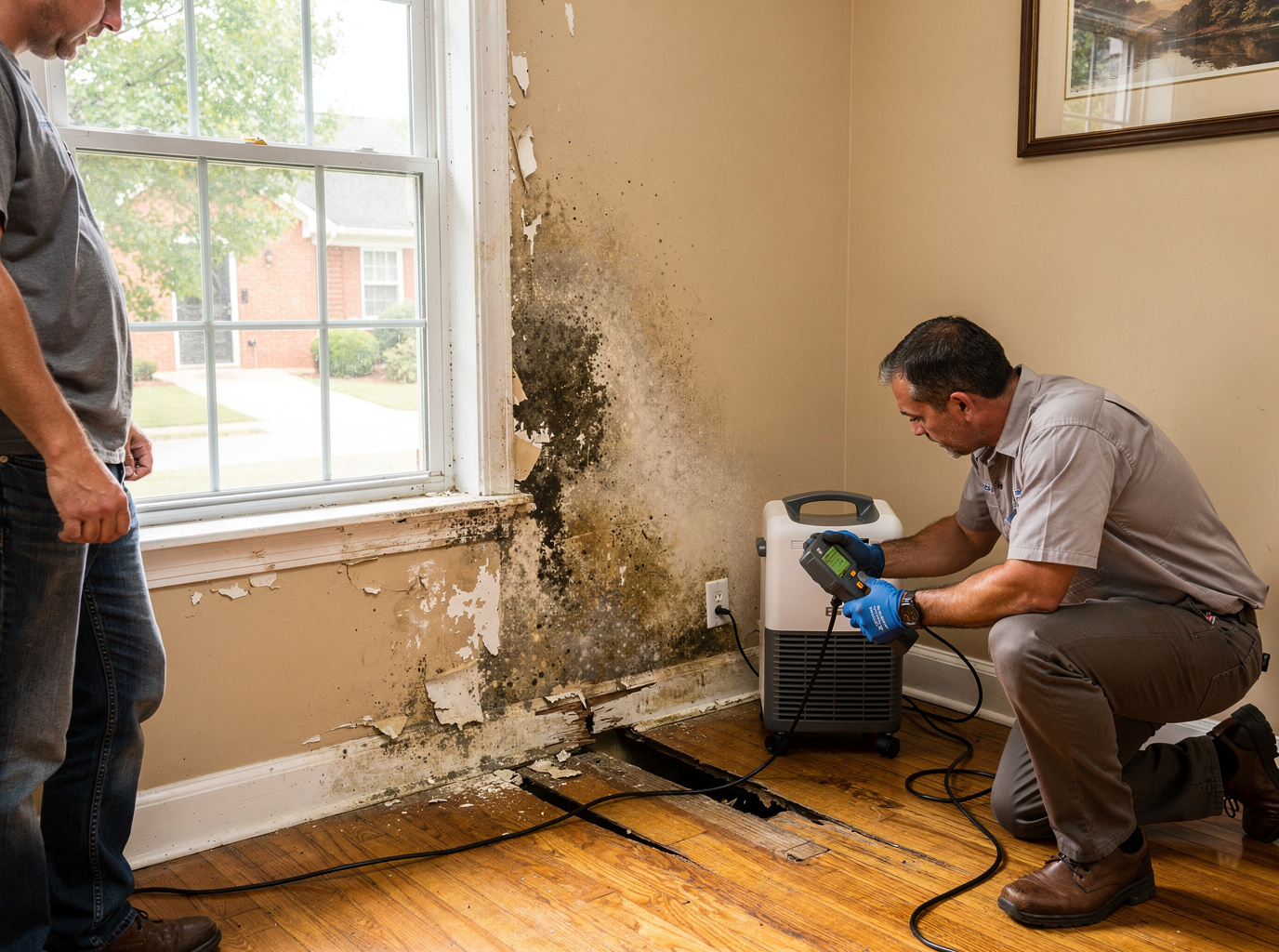
Water damage in Atlanta homes can indeed lead to significant mold growth, often appearing within 24 to 48 hours if moisture conditions persist. The warm, humid climate prevalent across Georgia, particularly in areas like Marietta, Sandy Springs, and Decatur, creates an ideal breeding ground for mold spores once water is introduced from a burst pipe, an overflowing appliance, or a leaky roof. This rapid onset means that homeowners in the Atlanta area must act with urgency when facing any water intrusion, as delaying can transform a manageable water cleanup into a complex mold remediation project. Our experience operating across the Georgia area, from the historic homes in Inman Park to the newer constructions in Johns Creek, has shown us that no property is immune to the potential for mold once water has had a chance to settle in.
Understanding the Link Between Water Damage and Mold Growth
Mold spores are naturally present in the air, both indoors and outdoors, making them an unavoidable part of our environment. They become a problem when they find a suitable environment to colonize, which primarily requires moisture, a food source (like cellulose found in drywall, wood, and fabrics), and a comfortable temperature. Atlanta's climate, characterized by hot, humid summers and mild, damp winters, provides the perfect conditions for mold to thrive. When a home experiences water damage, whether it's from a sudden event like a pipe burst in a basement in Roswell or a prolonged issue like a slow leak under a sink in a Dunwoody kitchen, it introduces the necessary moisture. This moisture, combined with the readily available organic materials in most homes, sets the stage for rapid mold proliferation.
The speed at which mold can develop is often surprising to homeowners. What might seem like a minor spill or a contained leak can quickly turn into a widespread issue if not addressed promptly and thoroughly. For instance, a small leak behind a wall in an older home in Midtown Atlanta, where ventilation might be less efficient, can go unnoticed for days or even weeks, allowing mold to establish deep roots. Similarly, after a heavy rainstorm, issues like a compromised roof or foundation cracks in areas like Smyrna or Kennesaw can allow water to seep in, creating hidden pockets of moisture that become mold hotspots. This is why immediate and comprehensive <a href="/services/water-damage-restoration">water damage restoration</a> is not just about drying out a space, but also about preventing secondary issues like mold.
Common Sources of Water Damage in Atlanta Homes
Atlanta homeowners face a variety of potential water damage sources, each with its own set of challenges for prevention and remediation. Understanding these common culprits can help you be more vigilant. One frequent issue we encounter involves plumbing failures, such as burst pipes during a sudden cold snap, especially in homes in older neighborhoods like Grant Park or Candler Park. These older homes often have aging plumbing systems more susceptible to freezing or corrosion. Another significant source is appliance malfunctions, including overflowing washing machines, leaky dishwashers, or water heater failures. A 40-gallon water heater, for example, can release a substantial amount of water in a short period, quickly saturating flooring and walls.
Beyond internal plumbing, roof leaks are a persistent problem, particularly after the intense thunderstorms common in the Georgia area. Even a small breach in the roof can allow water to trickle down into attics and walls, often manifesting as a stain on a ceiling in a bedroom in Alpharetta or a living room in Peachtree Corners. <a href="/blog/roof-leaks-and-water-damage-addressing-issues-in-atlantas-climate">Roof Leaks and Water Damage: Addressing Issues in Atlanta's Climate</a> delves deeper into this issue. Furthermore, foundation cracks and poor drainage around the home's perimeter can lead to basement flooding or crawl space moisture, which is especially problematic for homes built on the region's expansive clay soils. We've seen many instances where inadequate grading around a home in South Fulton County leads to water pooling against the foundation, eventually finding its way into basements.
Recognizing the Signs of Mold Growth
Detecting mold early is key to minimizing damage and remediation costs. While visible mold is the most obvious sign, often appearing as black, green, or white fuzzy patches on walls, ceilings, or floors, mold can also hide behind surfaces. Therefore, it's crucial to be aware of less obvious indicators. A persistent musty odor, often described as earthy or damp, is a strong indicator of hidden mold growth. This smell is produced by microbial volatile organic compounds (MVOCs) released by actively growing mold colonies. If you notice this smell in your basement in Lawrenceville or a closet in Gainesville, it's worth investigating.
Another sign to watch for is discoloration or staining on walls, ceilings, or other surfaces that doesn't seem to have another explanation. These stains might appear yellowish, brownish, or even slightly darker than the surrounding material. Peeling, bubbling, or cracking paint or wallpaper can also indicate underlying moisture and potential mold. Furthermore, if you or family members experience unexplained respiratory issues, persistent coughing, sneezing, or irritated eyes, especially when in a particular area of the home, it could be a reaction to mold spores. These symptoms often worsen indoors and improve when away from the affected environment. Don't dismiss these signs; they are your home's way of telling you there's a problem that needs attention, potentially requiring <a href="/services/water-remediation">water remediation</a>.
The Importance of Professional Mold Remediation
While it might be tempting for homeowners to tackle small mold patches themselves, professional mold remediation offers several critical advantages, especially in a humid climate like Atlanta's. Firstly, professionals have the specialized equipment to accurately detect moisture, even behind walls and under flooring, ensuring all affected areas are identified. This is crucial because if even a small amount of moisture or mold is left behind, the problem can quickly recur. Secondly, professional remediators understand containment protocols to prevent mold spores from spreading to unaffected areas of your home during the cleanup process. Without proper containment, disturbing mold can release millions of spores into the air, potentially contaminating other rooms.