
2026-11-24 ·
Water Damage from a Leaking Roof in Woodstock, GA? Get Professional Home Restoration
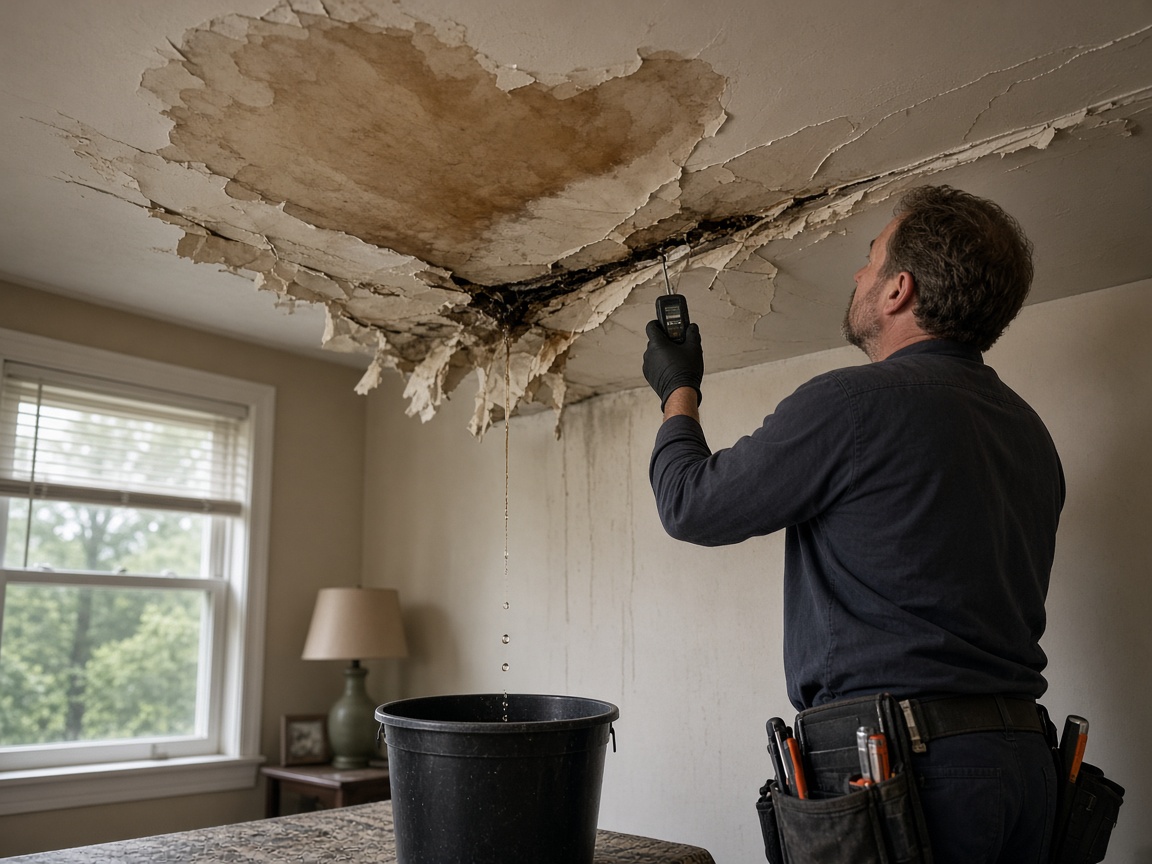
If you're facing water damage from a leaking roof in Woodstock, GA, professional home restoration is not just recommended, it's often essential to prevent more extensive structural damage and potential mold growth. The humid climate in Georgia, especially during the warm, rainy seasons, creates an ideal environment for mold to thrive within 24–48 hours of water intrusion. Addressing the issue promptly with expert <a href="/services/water-damage-restoration">water damage restoration</a> services ensures that all moisture is thoroughly removed, affected materials are dried, and your home's integrity is preserved, protecting your investment from costly long-term problems that can easily run into thousands of dollars if left unaddressed. Our team operates 24/7, every day of the week, to respond to these emergencies, understanding that roof leaks don't adhere to a 9-to-5 schedule.
Understanding Roof Leaks and Water Damage in Georgia Homes
Homes in Woodstock, like many in the Georgia area, often feature diverse roofing materials, from asphalt shingles common in older, established neighborhoods to newer architectural shingles or metal roofs in developments closer to Lake Allatoona. While sturdy, even the best roofs can succumb to the intense weather patterns we experience. Our summers bring powerful thunderstorms with heavy downpours and strong winds, which can lift shingles, crack flashing around chimneys or skylights, or even create punctures from falling debris. During cooler months, persistent rain can exploit existing weaknesses, leading to slow, insidious leaks that might go unnoticed until significant damage has occurred. These leaks can saturate insulation, compromise drywall, and even trickle down to affect multiple stories, sometimes reaching as far as the basement, creating a need for <a href="/services/basement-flood-cleanup">basement flood cleanup</a> if the problem is severe enough.
The type of damage varies greatly depending on the leak's duration and location. A sudden, heavy leak might cause immediate ceiling collapse, while a slow drip can lead to hidden issues like rotting wood framing, stained ceilings, and compromised electrical wiring over time. The age of the home also plays a role; older homes in areas like Woodstock or Marietta might have original roofing systems that are past their prime, making them more susceptible to leaks. Modern homes, while often built with better materials, aren't immune, especially if installation was subpar or if they've endured several severe weather events without proper inspection.
Immediate Steps When You Discover a Roof Leak
Discovering a roof leak can be alarming, but taking immediate action can significantly reduce the extent of water damage. First, try to contain the water by placing buckets or containers under the leak. If the ceiling is bulging, carefully poke a small hole in the center of the bulge with a screwdriver to relieve pressure and allow the water to drain into a container, preventing a larger, uncontrolled collapse. Move furniture, electronics, and valuables away from the affected area to prevent further damage. Turn off electricity to the affected section of your home if water is near outlets or light fixtures to prevent electrical hazards. Once you've taken these initial steps, it's crucial to contact a professional water damage restoration company like Atlanta Water Damage Restoration LLC. We can dispatch a team promptly, any time of day, to assess the situation and begin the necessary <a href="/services/emergency-water-removal-near-me">emergency water removal</a> and drying processes.
Attempting to fix the roof yourself in adverse weather conditions can be dangerous and may not fully resolve the underlying issue. A temporary tarp can offer some protection, but a permanent repair should be handled by a qualified roofing contractor once the immediate water damage inside your home is being professionally addressed. Remember, the goal is not just to stop the leak but to completely dry out and restore all affected areas inside your home to prevent secondary damage, especially mold.
The Professional Water Damage Restoration Process
Our approach to roof leak water damage in Woodstock, GA, follows a systematic, thorough process designed to restore your home efficiently and effectively. It begins with a comprehensive assessment to pinpoint the source of the leak, determine the extent of water intrusion, and identify all affected materials. We use specialized moisture detection equipment, including thermal imaging cameras and hygrometers, to locate hidden pockets of moisture within walls, ceilings, and flooring that might not be visible to the naked eye. This is particularly important in the Georgia climate, where high humidity can mask the true scope of water damage.
Following the assessment, we proceed with water extraction using powerful pumps and vacuums to remove standing water. This step is critical for preventing further saturation and speeding up the drying process. Next is drying and dehumidification, where we deploy industrial-grade air movers and dehumidifiers to circulate air and reduce humidity levels, thoroughly drying out structural elements and contents. This phase is meticulously monitored to ensure optimal conditions for drying, often involving multiple visits over several days. Finally, cleaning and sanitization address any potential contaminants and prepare the area for repair. If mold is detected, our <a href="/services/water-remediation">water remediation</a> specialists will implement targeted mold removal protocols.
Preventing Mold Growth After a Roof Leak
One of the most significant long-term threats following a roof leak in Georgia is mold growth. The warm, humid air in the Atlanta metropolitan area, combined with moisture from a leak, creates an ideal breeding ground for mold spores. These spores are naturally present everywhere but only become problematic when they find a damp environment to colonize. Mold can begin to grow within 24–48 hours on organic materials like drywall, wood, insulation, and even fabrics, leading to musty odors, discoloration, and potential respiratory issues for occupants. This is why rapid response to a roof leak is so critical.