2026-11-24 ·
Water Damage From an Overflowing Toilet in Atlanta, GA? Get Professional Cleanup
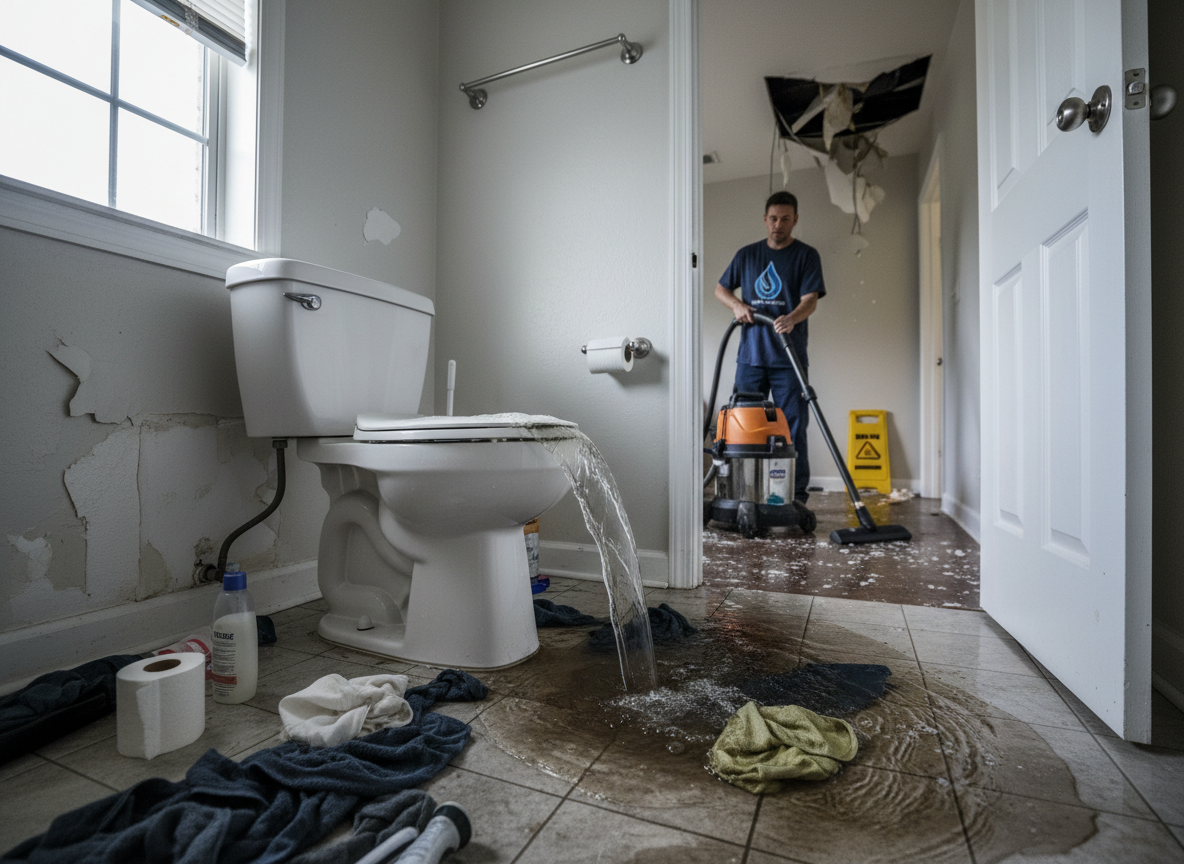
Yes, if you're dealing with water damage from an overflowing toilet in Atlanta, GA, getting professional cleanup is absolutely essential. While a small overflow might seem manageable, the water from a toilet is considered Category 3 black water, meaning it contains harmful bacteria, viruses, and other contaminants. This isn't just a minor inconvenience; it's a serious health hazard that requires specialized equipment and expertise to safely remove and remediate. In the humid Georgia climate, especially during our warm summers, even a seemingly small amount of black water can quickly lead to widespread mold growth within 24–48 hours if not properly addressed. Homes in older Atlanta neighborhoods like Virginia-Highland or Candler Park, often with original hardwood floors and plaster walls, are particularly susceptible to extensive damage and hidden moisture pockets from such incidents.
The Immediate Dangers of Toilet Overflow Water
Beyond the immediate mess, the primary danger of an overflowing toilet is the nature of the water itself. Unlike clean water from a burst pipe (Category 1) or grey water from a dishwasher (Category 2), toilet water that has come into contact with fecal matter is highly contaminated. This black water can carry pathogens like E. coli, Salmonella, and Norovirus, posing significant health risks to anyone exposed. Simply mopping up the visible water isn't enough; these contaminants can soak into porous materials like subflooring, drywall, baseboards, and even the framing of your home. In a city like Atlanta, where many homes, particularly in areas like Buckhead or Ansley Park, feature multi-story layouts, an overflow on an upper floor can quickly compromise ceilings and walls below, spreading contamination and structural risk throughout the property. This type of water damage requires immediate and thorough sewage cleanup to prevent further issues.
The warm, moist environment common throughout Georgia only exacerbates these risks. Mold thrives in humidity, and with the added organic matter from black water, it can proliferate rapidly. This isn't just about visible mold; often, mold grows unseen behind walls, under flooring, or within insulation, leading to persistent musty odors, compromised air quality, and potential respiratory issues for occupants. Professional water damage restoration companies have the specialized training and equipment, including HEPA vacuums and antimicrobial agents, to safely handle and dispose of contaminated materials, ensuring your home is not only dry but also thoroughly decontaminated.
Why DIY Cleanup Isn't Enough for Black Water
Attempting a DIY cleanup for a toilet overflow, especially one involving black water, is rarely sufficient and can even be dangerous. While you might be able to remove surface water, you lack the tools to detect hidden moisture or properly sanitize affected areas. Here’s why professional intervention is critical:
- Hidden Moisture Detection: Professionals use moisture meters and thermal imaging cameras to pinpoint moisture hidden behind walls, under cabinets, and within subflooring. Without this, you could miss saturated areas, leading to long-term structural damage and mold growth. Many older homes in the Atlanta area, with their unique construction methods, often have voids and cavities that can trap moisture undetected by the untrained eye.
- Proper Contaminant Removal: Black water requires specific protocols for removal and disposal. This includes using personal protective equipment (PPE), specialized cleaning agents that kill bacteria and viruses, and proper disposal of contaminated materials. Standard household cleaners are simply not effective enough.
- Thorough Drying and Dehumidification: Achieving proper drying isn't just about air movement. Professional equipment like commercial-grade air movers and desiccant dehumidifiers are crucial for extracting moisture from materials and reducing ambient humidity, preventing secondary damage like warping and mold. Our climate, particularly in the summer months when humidity can hover around 70-80%, makes this step absolutely vital for effective water damage cleanup.
- Preventing Mold Growth: Even after visible water is gone, residual moisture and contaminants create an ideal breeding ground for mold. Professionals apply antimicrobial treatments to inhibit mold and bacterial growth, a critical step in preventing costly future remediation. Ignoring this can lead to significant health and structural problems down the line.
The Professional Water Damage Restoration Process
When you call Atlanta Water Damage Restoration LLC for an overflowing toilet, our approach is systematic and thorough, designed to restore your home safely and efficiently. Our 24/7 availability ensures we can respond immediately, day or night, which is crucial for minimizing damage.