2026-11-24 ·
Water Damage in Condos and Apartments: Unique Challenges for Atlanta Residents
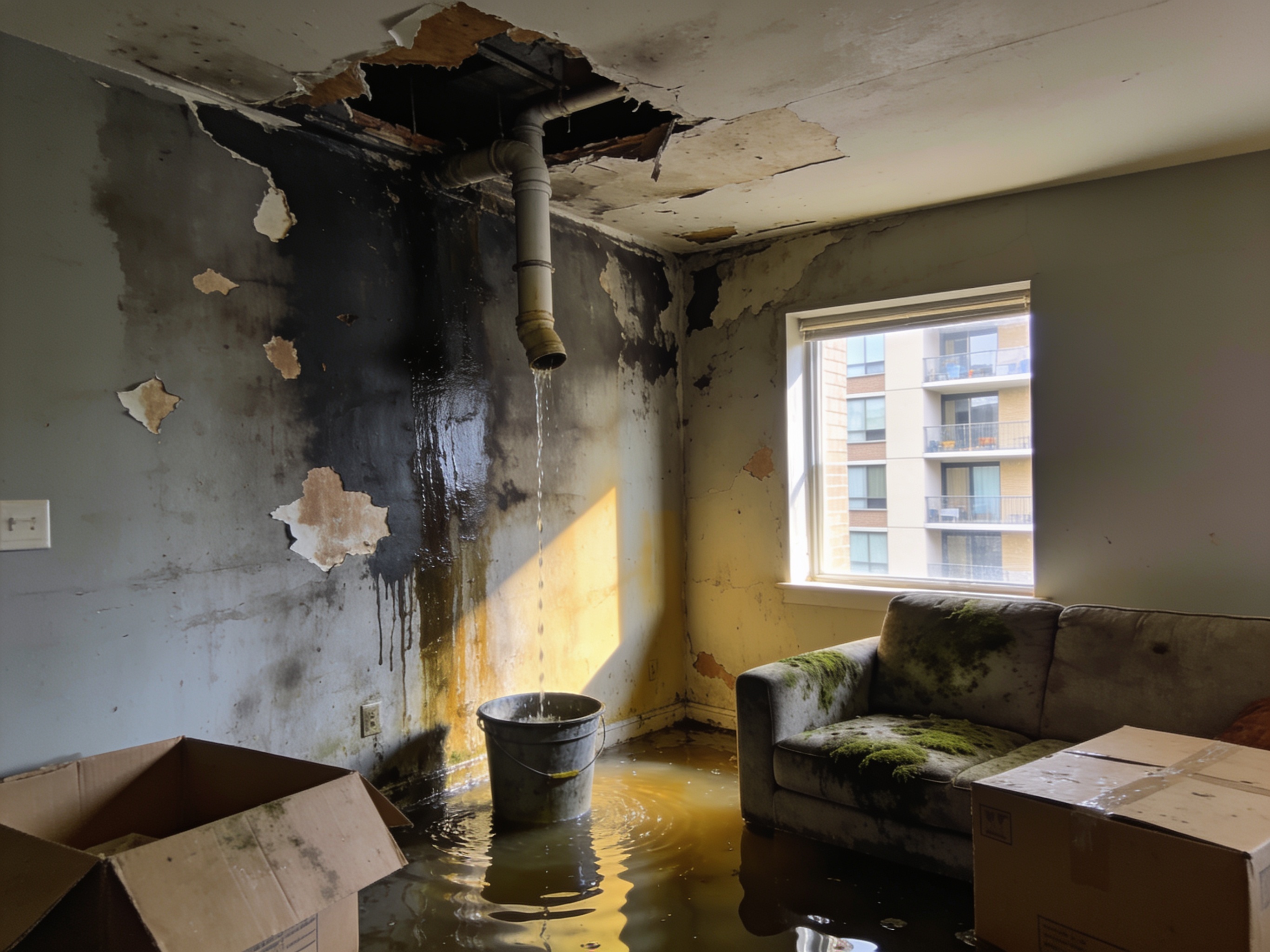
Water damage in condos and apartments across Atlanta, from the high-rises in Midtown to garden-style complexes in Sandy Springs, presents unique challenges primarily due to shared infrastructure, proximity to neighbors, and the complexities of Homeowners Association (HOA) or landlord regulations. Unlike a standalone house where you might only contend with your own property, water incidents in multi-family buildings often involve multiple units, common areas, and intricate insurance policies. A small leak in an upstairs unit in a Decatur apartment building, for instance, can quickly become a significant problem for the unit below, impacting ceilings, walls, and flooring across multiple residences. The speed of response is paramount, as moisture can spread rapidly through shared walls and subflooring, increasing the risk of secondary damage like mold growth.
Source Identification and Containment in Multi-Family Units
One of the most immediate and often complex challenges in Atlanta condos and apartments is pinpointing the exact source of water intrusion. In a single-family home, a burst pipe or a leaky roof is usually confined to one property. However, in a multi-story building, water can originate from an upstairs unit's overflowing bathtub, a faulty water heater in a neighboring unit, or even a common area pipe rupture. This makes the initial assessment critical. Our team often finds ourselves tracing water paths through multiple floors and walls, a common scenario in older buildings in areas like Virginia-Highland or newer developments in Buckhead. Quick and accurate identification of the source is essential to stop the flow and prevent further damage. Without this, any water damage repair efforts will be temporary, as the problem will simply recur.
The containment of water is also more intricate. A leak in an individual unit can quickly impact adjacent units, both horizontally and vertically, due to shared walls and ceilings. This necessitates a rapid response to set up containment barriers and begin extraction to protect unaffected areas. We've seen instances where a washing machine hose burst in a unit in Johns Creek led to water seeping into three other units below before proper containment could be established. This interconnectedness means that what might be a minor issue in a house can escalate into a multi-unit disaster in an apartment or condo building, requiring coordination not just with the affected resident but often with the building management and other tenants.
Navigating HOA Rules and Insurance Complexities
A significant hurdle unique to condos and apartments in the Georgia area is navigating the often-complex Homeowners Association (HOA) or landlord rules and insurance policies. When water damage occurs, it's not always clear who is responsible for what. The HOA's master policy typically covers common areas and the building's structure, while individual unit owners are responsible for their personal property and the interior finishes of their unit. This distinction can lead to delays in starting restoration work if there's confusion over liability or coverage. For example, if a pipe bursts within a wall in a condo in Marietta, determining if it's a common element covered by the HOA or an individual responsibility can be tricky. We often work closely with residents and property managers to help streamline this process, ensuring that the necessary approvals and information are gathered quickly.
Furthermore, the process of filing claims can be more involved, potentially requiring coordination between multiple insurance carriers – the unit owner's policy, the HOA's master policy, and sometimes even a neighbor's policy if their negligence caused the damage. This multi-party involvement can prolong the water restoration timeline. Understanding these nuances is crucial for residents in areas like Alpharetta or Peachtree Corners, where many live in multi-family housing. We always advise residents to review their HOA documents and insurance policies proactively to understand their responsibilities before an emergency strikes, which can significantly speed up the response when it's needed most.
Increased Risk of Mold Remediation and Structural Concerns
The construction of multi-family dwellings, often involving shared gypsum board walls, common subflooring, and tighter spaces, can inadvertently increase the risk of mold growth and present unique structural challenges during water damage events. When water penetrates these shared structures, it can become trapped in concealed spaces between units, creating ideal conditions for mold to flourish quickly. This is particularly true in Georgia's humid climate, where mold can begin to form within 24–48 hours if moisture isn't properly addressed. We frequently see this in older apartment buildings in areas like Grant Park or newer high-rises in Downtown Atlanta, where internal walls can wick moisture efficiently.
Beyond mold, structural integrity is a major concern. Water saturation can weaken common walls, ceilings, and flooring, potentially affecting multiple units. For instance, a persistent leak from an upper floor can compromise the ceiling of the unit below, requiring careful assessment and drying to prevent collapse or long-term damage. Our approach to water mitigation in these scenarios involves specialized equipment to thoroughly dry out these confined spaces and prevent hidden mold. For more insights on preventing mold, you can read our article on The Importance of Professional Drying After Water Damage in Atlanta. Ignoring these areas can lead to extensive and costly mold remediation down the line, affecting the health of residents and the structural soundness of the building.
Access and Logistics for Restoration Crews
Restoring water damage in Atlanta condos and apartments also presents unique logistical hurdles for crews, primarily related to access and equipment deployment. Unlike single-family homes with direct access, multi-family buildings often have strict rules regarding elevator use, loading dock availability, and working hours. Hauling heavy drying equipment, air scrubbers, and extraction machines through common hallways and elevators, especially in busy buildings in areas like Midtown or Buckhead, requires careful planning and coordination with building management. We often need to schedule our work around peak traffic times to minimize disruption to other residents and ensure efficient movement of our tools.