
2026-11-24 ·
Water Damage in Your Sandy Springs Home? Call for Professional Restoration Today
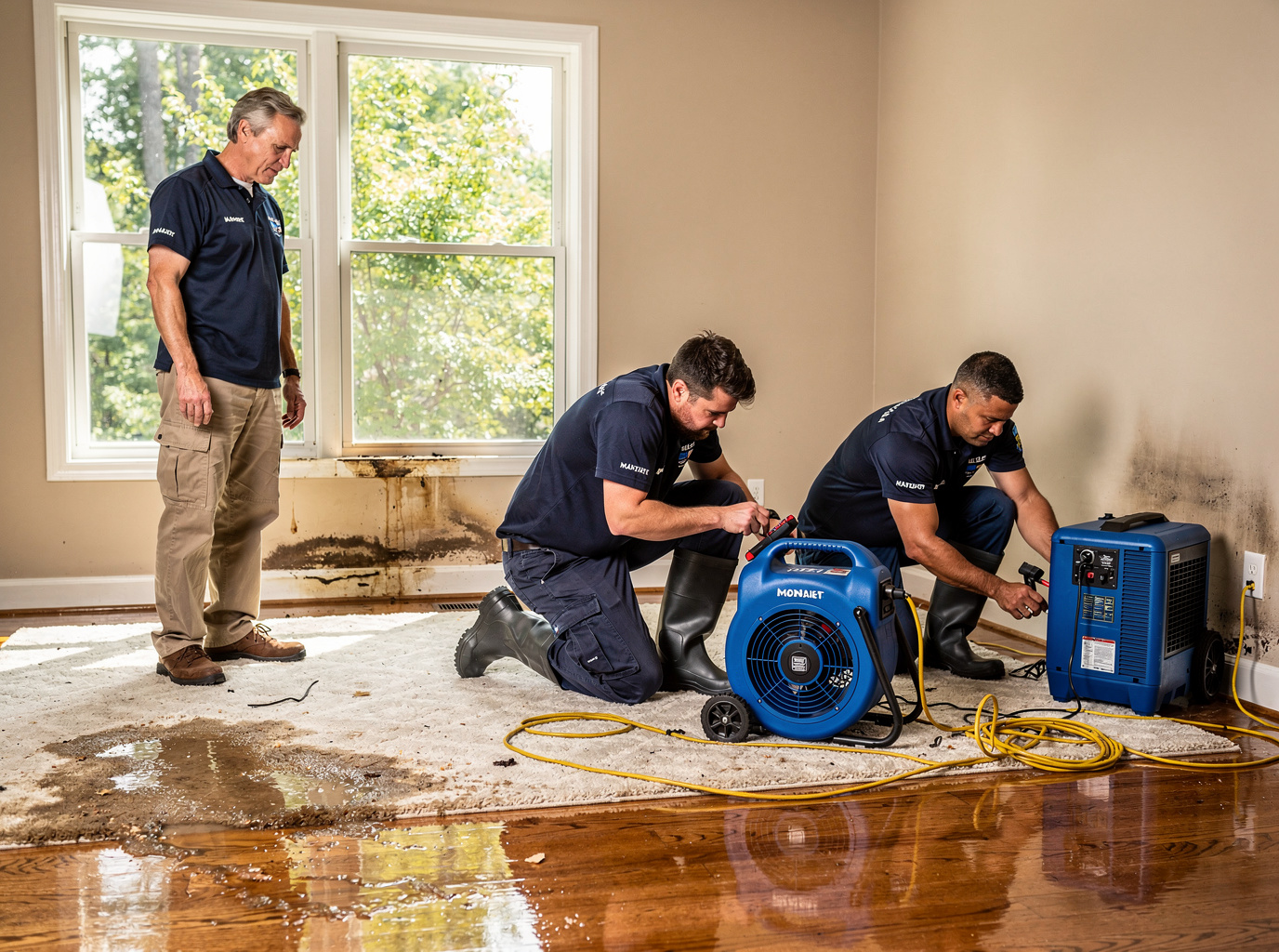
If your Sandy Springs home is experiencing water damage, calling for professional restoration today is not just a recommendation, it's a necessity. The rapid response of a professional team can significantly reduce the overall damage, minimize repair costs, and prevent secondary issues like mold growth, especially given Georgia's humid climate. Delaying action by even a few hours can turn a minor incident into a major structural and health hazard, often leading to more extensive and costly repairs down the line. We are available 24/7, every day of the week, to respond to these urgent situations, ensuring your home gets the attention it needs immediately.
The Immediate Dangers of Water Damage in Sandy Springs Homes
Water damage in homes, particularly in areas like Sandy Springs with a mix of older and newer construction, presents immediate dangers that extend beyond visible puddles. Many homes here, including those charming mid-century ranches and newer developments in areas near Chastain Park, feature basements or crawl spaces that are particularly vulnerable. When water infiltrates these spaces, it can quickly compromise structural integrity, leading to weakened subfloors, damaged drywall, and compromised electrical systems. The moisture also creates an ideal breeding ground for mold, which can begin to grow within 24–48 hours. This is especially true during Georgia's warm, humid summers, where temperatures and moisture levels provide optimal conditions for mold proliferation.
Beyond structural issues, standing water can pose serious health risks. Contaminants from overflowing sewers, burst pipes, or even heavy rain runoff can introduce bacteria and viruses into your living space. Furthermore, the presence of water near electrical outlets and appliances creates a significant electrocution hazard. It's not uncommon for us to encounter situations where homeowners in neighborhoods like Dunwoody Club Forest or Riverside have attempted DIY cleanup only to discover hidden dangers that require specialized equipment and expertise to address safely and effectively. For comprehensive solutions, explore our dedicated page on Water Damage Restoration.
Understanding the Sources of Water Damage Common in Georgia
The sources of water damage in Georgia homes are varied, often reflecting the area's climate and housing characteristics. One common culprit is plumbing failures, including burst pipes, leaking water heaters, or overflowing toilets. With many homes in the Sandy Springs and Roswell areas dating back several decades, older plumbing systems are more susceptible to corrosion and leaks. Another significant factor is severe weather. While Sandy Springs doesn't face coastal flooding, heavy thunderstorms, common during spring and summer, can lead to localized flooding, overwhelmed storm drains, and roof leaks. The clay soil prevalent in the Georgia area can also contribute to foundation issues, allowing water to seep into basements and crawl spaces during prolonged wet periods.
Beyond the obvious, seemingly minor issues like persistent roof leaks or condensation from HVAC systems can cause significant hidden damage over time. We've seen homes near the Chattahoochee River suffer from slow leaks that go unnoticed for months, leading to extensive rot and mold behind walls. These often require specialized detection equipment to pinpoint. Addressing these diverse sources requires a professional approach that understands the specific challenges presented by Georgia's environment and housing stock. For more information on handling unexpected water issues, visit our page on Emergency Water Damage.
The Professional Restoration Process: What to Expect
When you call Atlanta Water Damage Restoration LLC for water damage in your Sandy Springs home, you can expect a systematic and thorough professional restoration process designed to return your property to its pre-damage condition. Our approach begins with a comprehensive assessment of the damage, identifying the source of the water, categorizing the water's contamination level, and evaluating the extent of saturation in materials like drywall, flooring, and insulation. This initial step is crucial for developing an effective restoration plan tailored to your specific situation.
Following the assessment, we proceed with water extraction, using powerful pumps and vacuums to remove standing water quickly. This is followed by drying and dehumidification, utilizing industrial-grade air movers and dehumidifiers to thoroughly dry out affected areas and prevent secondary damage like mold. Our team carefully monitors moisture levels using specialized meters to ensure complete drying. Any materials that are irreversibly damaged or contaminated are then removed. Finally, we move to cleaning, sanitizing, and restoration, which involves cleaning salvageable items, sanitizing the affected areas to eliminate odors and potential health hazards, and making necessary repairs to restore your home. This could range from minor drywall repairs to more extensive structural work, all aimed at ensuring your home is safe and sound.
The Critical Role of Mold Remediation in Water Damage Recovery
In the wake of water damage, especially in a humid climate like Georgia's, mold remediation becomes a critical component of the recovery process. Mold can begin to grow within 24–48 hours of water exposure, and if left unaddressed, it can spread rapidly, compromising indoor air quality and potentially causing health issues for occupants. Symptoms can range from allergic reactions and respiratory problems to more severe health concerns, making prompt and thorough mold removal essential. Homes in Sandy Springs, particularly those with basements or crawl spaces that experienced flooding from heavy rains, are particularly susceptible to mold growth.