2026-11-24 ·
Need Emergency Water Mitigation in Covington, GA? Protect Your Home From Further Damage
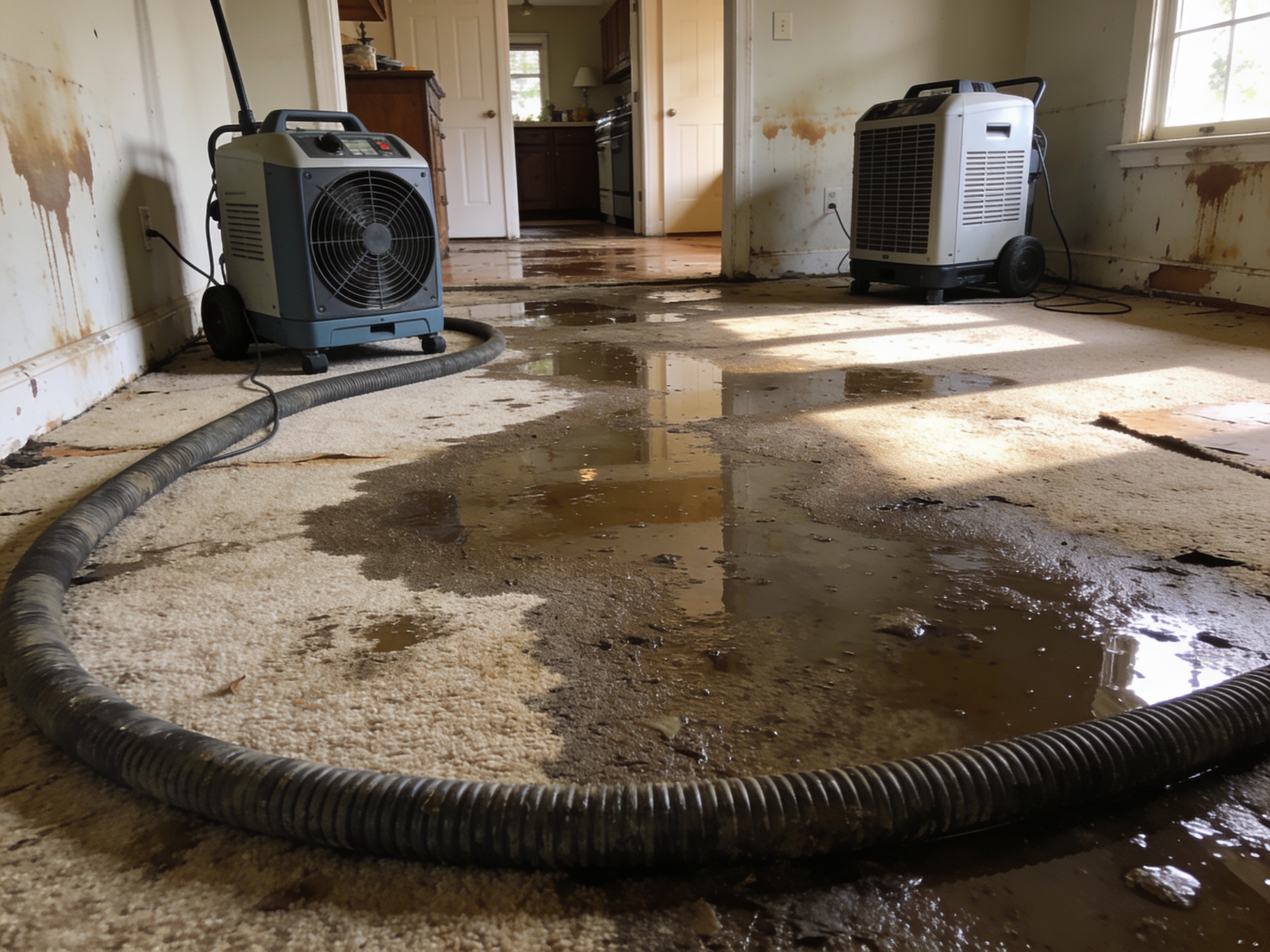
If you're facing water damage in Covington, GA, the most effective way to protect your home from further damage is to initiate emergency water mitigation immediately. This critical first step involves stopping the source of water, extracting standing water, and beginning the drying process to prevent secondary damage like mold growth and structural weakening. In Newton County, where homes range from historic properties in the downtown Covington square to newer developments, the type of construction and age of materials can significantly impact how quickly water penetrates and causes harm. Acting within the first 24–48 hours is paramount, as delays can escalate repair costs and lead to irreversible damage to drywall, flooring, and personal belongings. Our team at Atlanta Water Damage Restoration LLC is available 24/7 to respond to emergencies across Georgia and its surrounding neighborhoods, ensuring your property gets the attention it needs without delay.
Understanding Emergency Water Mitigation
Emergency water mitigation isn't just about removing water; it's a comprehensive process designed to prevent further deterioration of your property after a water intrusion event. This can stem from various issues common in Georgia, such as burst pipes during a sudden cold snap, overflowing appliances, or heavy rainfall causing leaks through roofs or foundations. Our subtropical climate, with its humid summers and occasional severe thunderstorms, makes homes particularly susceptible to moisture-related problems if water damage isn't addressed swiftly. Mitigation focuses on stabilizing the environment, preventing secondary damage, and preparing the property for the subsequent restoration phase. Think of it as damage control, an essential step that significantly reduces the overall impact and cost of the incident.
The process typically begins with a thorough assessment to identify the category of water (clean, gray, or black), the extent of saturation, and potential hazards. This initial evaluation guides the entire mitigation strategy, ensuring safety and effectiveness. For instance, a clean water overflow from a broken supply line in a newer home in the Alcovy community will require different handling than a sewage backup in an older property near the Covington Mill. Understanding these nuances is key to a successful outcome.
Immediate Steps You Can Take
While professional help is essential, there are crucial steps you can take immediately after discovering water damage in your Covington home to minimize its impact before our team arrives. First, if safe to do so, identify and stop the water source. This might mean turning off the main water supply to your house, especially if the issue is a burst pipe or a malfunctioning appliance. Next, disconnect any electrical appliances in the affected area and avoid using outlets if water is present to prevent electrical hazards. This is particularly important in older homes around the Oxford College area, where electrical systems might not be as robust.
Begin to remove standing water if you have a wet/dry vacuum, or use towels and mops to absorb as much as possible. Move furniture and other valuables out of the wet area to prevent further damage and staining. Open windows and doors to increase air circulation, especially during Georgia's humid months, to help with initial drying. However, be cautious about using fans if the water is contaminated, as this could spread airborne contaminants. For more detailed guidance on immediate actions, consider reviewing our article on Emergency Water Damage Repair in College Park, GA: Don't Let Water Damage Get Worse.
The Professional Water Mitigation Process
When our professionals arrive at your Covington property, we follow a structured process to ensure thorough and effective water mitigation. The first step is always a detailed inspection using advanced moisture detection equipment to pinpoint all affected areas, including those not immediately visible, such as behind walls or under flooring. This is crucial in homes across Newton County, where foundation types and construction materials can hide moisture pockets.
Once the assessment is complete, we move to water extraction. Our powerful pumps and vacuums remove hundreds to thousands of gallons of water quickly, significantly reducing drying time and preventing further absorption into structural materials. Following extraction, we implement a comprehensive drying and dehumidification strategy. This involves placing industrial-grade air movers and dehumidifiers strategically throughout the affected zones to rapidly dry out materials and reduce ambient humidity. This is vital in Georgia's climate, where high humidity can quickly lead to secondary issues like mold growth. We monitor moisture levels continuously to ensure optimal drying conditions are maintained until the property is completely dry. For a deeper dive into this, you might find our article on The Role of Dehumidifiers in Atlanta Water Damage Recovery helpful.
Preventing Secondary Damage: Mold and Structural Issues
One of the most significant benefits of prompt emergency water mitigation is preventing secondary damage, particularly mold growth and structural compromise. Mold can begin to grow within 24–48 hours of water exposure, especially in the warm, humid conditions prevalent in Georgia. Once established, mold remediation becomes a more complex and costly process. Our thorough drying protocols are designed to eliminate the conditions mold needs to thrive, protecting your family's health and your home's integrity. We also apply antimicrobial treatments to inhibit microbial growth in vulnerable areas.